
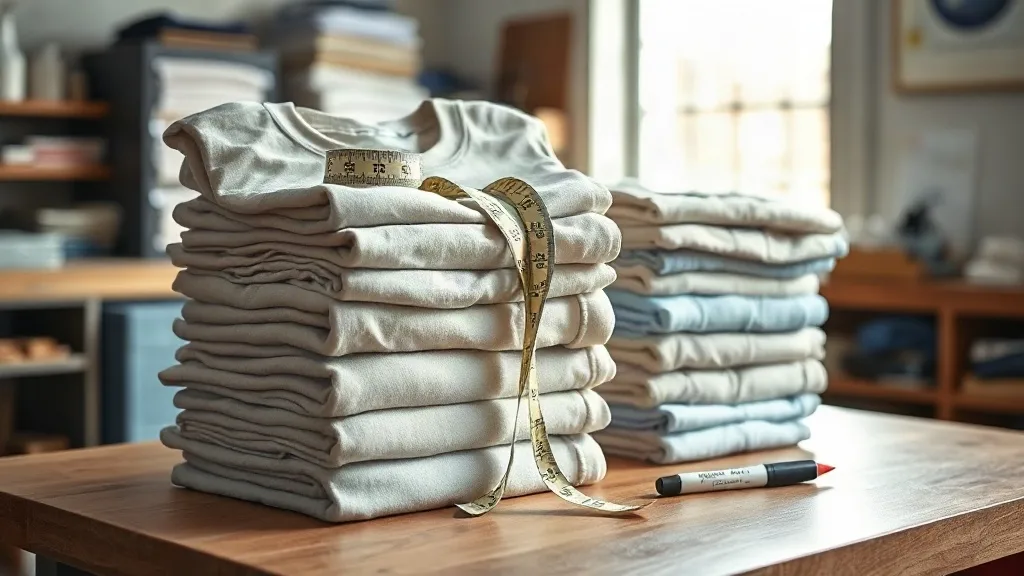
You've probably seen the same thing I have: a customer orders a run of custom tees, the shirts arrive, and half the crew complains they're too tight or too baggy. It's rarely the print that's the problem. It's the blank. And when you're working with heavyweight cotton, the fit can make or break the whole order. That's where shaka wear comes in, but not always for the reasons you'd expect. This guide is about getting the sizing right before you commit to a print run, based on what I've learned running orders through my own shop.
Why heavyweight blanks behave differently on the body
Heavyweight cotton isn't just thicker. It has a different drape, a different recovery after washing, and a different way of sitting on the shoulders. A 6.5 oz tee from shaka wear feels substantial in the hand, and that weight translates to a boxier silhouette that many customers love, but it also means the shirt won't cling the way a lighter ring-spun tee does. If your customer is used to a slim-fit fashion tee, a heavyweight blank can feel like a size up even when the measurements match.
The key is to stop thinking in terms of S, M, L and start thinking in terms of chest width, body length, and sleeve length. Every blank has its own numbers, and those numbers matter more than the letter on the tag. I keep a tape measure on my desk, and I use it on every new style before I quote a job.
How Shaka Wear sizes actually run
In my experience, shaka wear tees run true to size in the chest but slightly long in the body. That's good news for taller customers and for anyone who tucks their shirt in. The shoulders are a little wider than a standard fashion tee, which gives that relaxed, workwear-inspired look. If your customer is between sizes, I usually recommend sizing down for a closer fit and staying true to size for a looser, streetwear-style drape.
One thing to watch: the neck opening. Heavyweight cotton ribbing can feel snug at first, especially on the crew neck. It loosens up after a wash or two, but if you're printing for a customer who is sensitive to collar tightness, mention it before they order. A quick heads-up saves a lot of returns later.
A quick reference for common body types
- Narrow shoulders, average build: size down if you want a fitted look; true to size for a standard fit.
- Broad shoulders or athletic build: true to size, but check sleeve length if your customer has long arms.
- Tall and lean: true to size works well because of the longer body length.
- Plus size: check the size chart carefully, as heavyweight blanks often have a straighter cut through the waist than fashion tees.
Shrinkage: what to expect and how to plan for it
Any cotton tee will shrink, and heavyweight cotton is no exception. In my tests, shaka wear tees shrink about 3 to 5 percent in length after the first wash and dry, with minimal change in width. That means a size large that measures 30 inches in body length might come out closer to 28.5 or 29 inches. If your customer is right at the edge of a size, that shrinkage can push them into the next size up.
My rule of thumb: for customers who dry their tees on high heat, recommend sizing up one if they're between sizes. For customers who hang dry, true to size is usually fine. I also tell people to wash heavyweight tees in cold water and tumble dry low, which keeps shrinkage to a minimum and preserves the hand of the fabric.
Comparing Shaka Wear to other heavyweight options
If you're weighing shaka wear against smart blanks, the fit is one of the biggest differences. Smart Blanks tends to run a little trimmer through the body and sleeve, which suits customers who want a more tailored look. Shaka Wear leans toward a classic, roomier cut. Neither is better; they just serve different customers. I keep both in stock because I never know which one a client will prefer until I show them samples side by side.
For embroidery, the heavier fabric of shaka wear holds stitches well and resists puckering, which is a real advantage if you're doing left-chest logos or small detailed designs. The trade-off is that heavyweight cotton can be a bit harder on needles, so use a sharp needle and a stabilizer appropriate for the design. I've had fewer issues with embroidery on Shaka Wear than on lighter blanks, and that alone is worth the slightly higher cost per unit for many of my customers.
Practical tips for ordering the right size the first time
Before you place a wholesale order, do a fit test with one or two sizes. Print a sample, wash it the way your customer will, and measure it again. That gives you real numbers to work with instead of guesses. I also recommend asking your customer for a favorite tee they already own and measuring that shirt flat. Compare those measurements to the size chart, and you'll almost always land on the right size.
If you're ordering for a team or event, collect sizes in advance and add a buffer. People often underestimate their size, especially with heavyweight tees. A simple size-up policy for anyone who is unsure cuts down on exchanges and keeps the event running smoothly.
Frequently asked questions
Does Shaka Wear run big or small?
Shaka Wear generally runs true to size in the chest, with a slightly longer body and wider shoulders than a standard fashion tee. If you're between sizes, size down for a closer fit or stay true to size for a relaxed drape.
How much does a Shaka Wear tee shrink after washing?
Expect about 3 to 5 percent shrinkage in length after the first wash and dry, with minimal change in width. Washing in cold water and tumble drying on low reduces shrinkage.
Is Shaka Wear good for embroidery?
Yes. The heavyweight cotton holds stitches well and resists puckering, making it a solid choice for left-chest logos and small designs. Use a sharp needle and appropriate stabilizer for best results.
What's the difference between Shaka Wear and Smart Blanks sizing?
Smart Blanks tends to run trimmer through the body and sleeve, while Shaka Wear has a roomier, more classic cut. The right choice depends on the fit your customer prefers.