
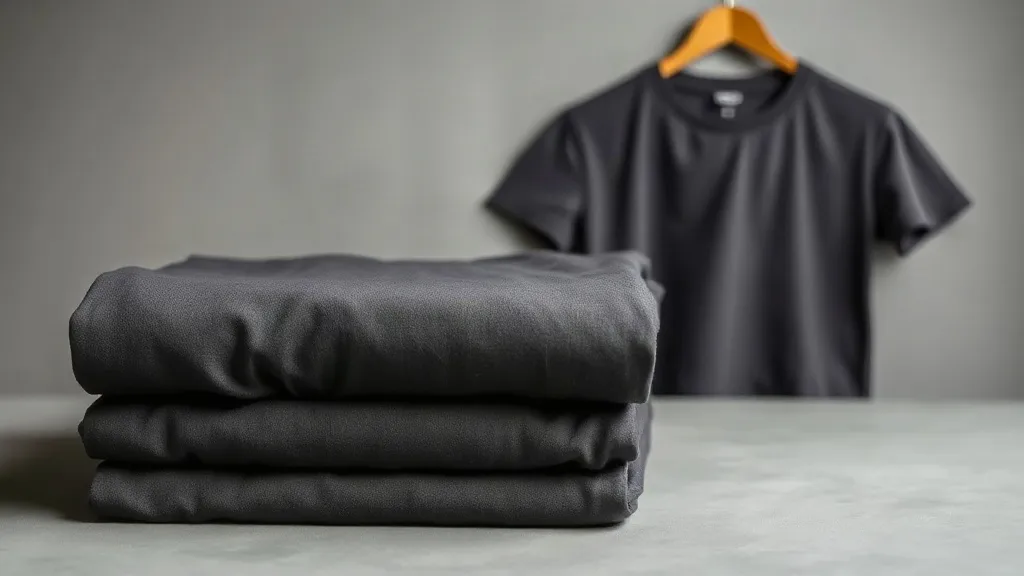
When you pick up a shaka wear tee, the first thing you notice is its weight. It feels substantial, almost like a piece of clothing that means business. But weight alone doesn't tell the whole story. The way that fabric behaves once it's on a body, how it falls, folds, and moves, is what separates a good blank from a great one. For brand owners and print shops, understanding the science behind fabric weight and drape isn't just a technical exercise; it's the key to choosing blanks that look and feel premium, order after order.
Why Fabric Weight Matters More Than You Think
Fabric weight is typically measured in ounces per square yard (oz/yd²) or grams per square meter (GSM). In the world of wholesale tees, 5.3 oz is often considered standard, while anything above 6 oz starts entering heavyweight territory. Shaka Wear tees generally fall into the 5.5 to 6.5 oz range, giving them a heft that immediately signals quality. But why does that matter?
Heavier fabrics tend to be more durable, hold their shape better, and provide a more structured silhouette. They also tend to be more opaque, which is crucial for printing, especially with light colors or fine details. A heavier tee resists the dreaded see-through effect and provides a smooth canvas for screen printing, embroidery, or heat transfers. For a brand, that translates to a product that feels premium and lasts longer, which can boost customer satisfaction and repeat purchases.
However, weight isn't everything. A super heavy fabric can be stiff and uncomfortable, especially in warmer climates. That's where drape comes in.
The Role of Drape in a Tee's Appeal
Drape refers to how a fabric hangs and flows. It's influenced by fiber content, yarn twist, knitting structure, and finishing processes. A fabric with good drape conforms to the body's contours without clinging, creating a flattering silhouette. It moves with the wearer, offering comfort and a sense of ease.
Shaka Wear achieves a remarkable balance: their tees have enough weight to feel substantial, yet they drape nicely, avoiding the boxy, stiff look that some heavyweight blanks suffer from. This is largely due to their use of 100% cotton, often combed and ring-spun, which produces a softer hand and better drape than carded open-end yarns. The knitting process also plays a role; a tighter knit can add structure, while a looser knit enhances drape. Shaka Wear seems to have found a sweet spot that appeals to streetwear brands and everyday wear alike.
For a brand, drape affects how the tee looks on different body types. A tee with good drape flatters a wider range of customers, reducing returns and increasing satisfaction. It also photographs well, which is essential for online sales and social media marketing.
How Shaka Wear Balances Weight and Drape
So how does shaka wear manage to combine heft with fluidity? It starts with the yarn. Shaka Wear uses ring-spun cotton, which involves continuously twisting and thinning the yarn to create a smoother, stronger thread. This process aligns the fibers, resulting in a fabric that is both durable and soft. The smoother yarn also reflects light better, giving the fabric a subtle luster that looks more expensive.
The knitting gauge also matters. A finer gauge (more needles per inch) creates a denser fabric that holds its shape, while a coarser gauge yields a looser, drapier fabric. Shaka Wear likely uses a medium gauge that provides structure without stiffness. Additionally, the finishing processes, such as calendering (pressing the fabric between rollers) or enzyme washing, can soften the fabric and improve drape. Shaka Wear tees often feel broken-in from the first wear, suggesting some form of mechanical or chemical softening.
Another factor is the cut. A tee's pattern can enhance or hinder the perception of drape. Shaka Wear offers various fits, from classic to oversized, each designed to complement the fabric's characteristics. For example, an oversized tee in a heavyweight fabric can look intentional and stylish, while a slim fit in the same fabric might feel restrictive. The brand's attention to pattern-making ensures that the fabric's weight and drape are showcased effectively.
Comparing Shaka Wear to Smart Blanks
When sourcing blanks, many brand owners also consider smart blanks as an alternative. Smart Blanks is known for its budget-friendly options and wide range of colors, but the fabric weight and drape differ. Smart Blanks tees often weigh in around 5.0 to 5.5 oz, making them lighter and generally less structured. They may drape more loosely, which can be comfortable but might not provide the same premium feel or durability as Shaka Wear.
For brands targeting a higher-end market, shaka wear often justifies the slightly higher cost with its superior weight and drape. However, smart blanks can be a good choice for promotional products or budget-conscious lines where cost is the primary driver. Understanding these differences helps you align your blank choice with your brand's positioning.
Practical Tips for Evaluating Fabric Weight and Drape
Before committing to a bulk order, it's wise to evaluate samples. Here's what to look for:
- Feel the fabric: Rub the fabric between your fingers. It should feel substantial but not stiff. High-quality cotton will have a soft, smooth hand.
- Check the drape: Hold the tee by the shoulders and see how it hangs. It should fall naturally without bunching or standing away from the body.
- Test recovery: Stretch a small section of the fabric and release it. Good quality fabric should snap back to its original shape, indicating good elasticity and durability.
- Consider the end use: Will the tee be printed, embroidered, or worn plain? Heavier fabrics handle embroidery better, while lighter fabrics may be preferred for all-over printing.
- Wash and wear: Wash a sample tee a few times to see how it holds up. Does it shrink? Does the drape change? Shaka Wear tees are known for minimal shrinkage and consistent drape after washing.
These tests will give you a feel for how the blank will perform in real-world conditions.
How Fabric Weight Affects Printing and Embroidery
The weight and drape of a tee also impact decoration methods. Heavier fabrics provide a stable surface for screen printing, reducing the risk of ink bleeding or misregistration. They also support thicker ink deposits, which can enhance the vibrancy of colors. For embroidery, a heavier fabric can support denser stitch counts without puckering, as long as proper backing is used.
Shaka Wear tees are particularly popular among embroiderers because the fabric's weight minimizes hoop burn and distortion. The tight knit helps stitches lay flat, and the cotton content allows for good needle penetration. However, it's still essential to use the right stabilizer and technique. For lightweight fabrics like smart blanks, you might need to adjust tension and use a cut-away backing to prevent stretching.
Choosing the Right Blank for Your Brand
Ultimately, the choice between shaka wear and other blanks comes down to your brand's identity and customer expectations. If you're building a premium streetwear label, the weight and drape of Shaka Wear can reinforce your brand's value proposition. If you're producing everyday basics at a lower price point, smart blanks might suffice. There's no one-size-fits-all answer, but understanding the science behind fabric weight and drape empowers you to make an informed decision.
Remember that the blank is the foundation of your product. It's what your customer feels and wears, and it's what carries your design. Investing in a blank that feels good and drapes well can elevate your entire line, leading to better reviews, repeat customers, and a stronger brand reputation.
Frequently Asked Questions
What is the fabric weight of Shaka Wear tees?
Most Shaka Wear tees range from 5.5 to 6.5 oz per square yard, placing them in the heavyweight category. This weight provides durability and a premium feel while maintaining good drape.
How does drape affect the fit of a t-shirt?
Drape determines how the fabric falls on the body. Good drape allows the tee to conform to the wearer's shape without clinging, creating a flattering silhouette and enhancing comfort. It also affects how the tee looks in motion and in photos.
Can I print on Shaka Wear tees with water-based inks?
Yes, Shaka Wear tees work well with water-based inks, but because the fabric is heavier, you may need to adjust your printing parameters. Water-based inks sit on the surface and can require a longer curing time or a higher mesh count to achieve the desired opacity.
Is Shaka Wear suitable for embroidery?
Absolutely. The heavyweight fabric provides a stable base for embroidery, reducing puckering and hoop burn. Use a medium-weight cut-away stabilizer and test stitch density on a sample first.
How does Shaka Wear compare to Smart Blanks in terms of durability?
Shaka Wear tees generally offer superior durability due to their heavier weight and higher-quality cotton. They resist shrinking, fading, and pilling better than lighter blanks like Smart Blanks, making them a better long-term investment for premium brands.