
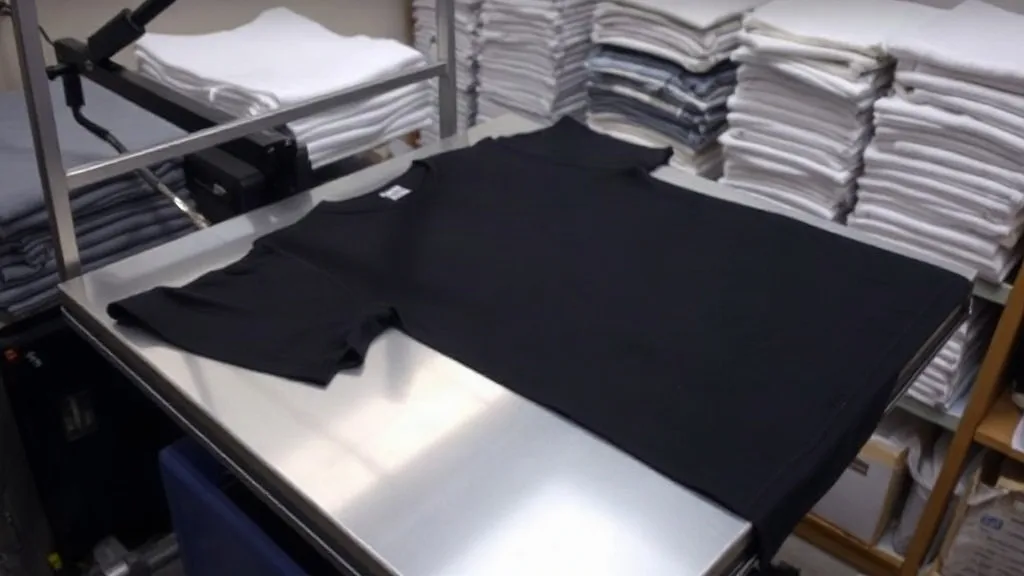
When a customer orders a 3XL or 4XL shirt, the last thing you want is a print that cracks, peels, or sits crooked because the garment didn't fit on your press. Tall and big sizes are a growing segment, and they demand a different approach to dtf transfers than standard sizes. In this guide, I'll share the practical adjustments I've made in my own shop to handle these jobs without wasting blanks or time.
Why Tall and Big Sizes Need Special Attention
Tall sizes add length to the body and sleeves, while big sizes add width. Both mean more fabric to manage on the platen. The print area itself doesn't necessarily get larger, but the garment does. That extra fabric can bunch, shift, or hang off the edges, leading to uneven pressure and poor adhesion. Plus, the contours of a larger body mean the print sits on a surface that curves more, so you need to account for stretch and recovery.
Choosing the Right Blanks for Large Sizes
Not all blanks are created equal. For tall and big sizes, look for garments with a higher cotton content and a tighter knit. Heavyweight tees (like those from Wholesale Heavyweight Tees) hold their shape better and provide a stable surface for dtf transfers. Avoid thin, flimsy fabrics that stretch too much under the press. Also, check that the blank is pre-shrunk; you don't want the shirt to shrink after printing and distort the design.
Setting Up Your Heat Press for Large Garments
Most heat presses have a platen around 15x15 inches or 16x20 inches. A 4XL shirt will hang over the edges. That's okay, but you need to manage the overhang. Use a pressing pillow or a folded towel under the platen to support the extra fabric and keep it level. Make sure the print area is flat and free of wrinkles. For tall sizes, the print might sit lower on the shirt, so adjust your platen height accordingly.
Using a Larger Platen or Extension
If you frequently print large sizes, consider investing in a larger platen or an extension kit. Some presses offer interchangeable platens. A 16x20 inch platen gives you more room and reduces the need to fight with overhang.
Placement and Alignment for Tall and Big Sizes
Standard placement guides (like 3 inches from the collar) don't always work for tall sizes because the collar sits differently. For tall shirts, the print often needs to be placed slightly lower to maintain proportion. Use a placement ruler or laser guide to center the design. For big sizes, the width of the shirt means the print should be centered across the chest, but be mindful of the side seams; you don't want the print to wrap around.
Dealing with Seams and Pockets
Some big sizes have chest pockets or side seams that can interfere with printing. If there's a pocket, you'll need to either print over it (which can be tricky) or choose a different location. For seams, make sure the print doesn't cross a seam unless you're using a transfer that can handle it. DTF transfers near me searches often bring up shops that specialize in these challenges, so if you're outsourcing, ask about their experience with seams.
Pressing Technique for Large Prints
When pressing a dtf transfer on a large garment, even pressure is crucial. Start by pre-pressing the shirt for a few seconds to remove moisture and wrinkles. Then, place the transfer and press with firm, even pressure. For large prints, you might need to press in sections if your platen is smaller than the design. In that case, use a heat-resistant cover sheet and press each section for the recommended time, overlapping slightly to avoid cold spots.
Temperature and Time Adjustments
Follow the transfer supplier's recommendations, but be aware that larger prints may require slightly longer pressing to ensure full adhesion. However, don't overpress, as that can cause the adhesive to bleed or the film to become brittle. A good rule of thumb is to add 5-10 seconds for prints larger than 12 inches.
Handling Stretch and Recovery
Big sizes often mean more stretch, especially around the chest and belly. DTF transfers are generally flexible, but you need to ensure the transfer is applied with enough pressure to penetrate the fabric fibers. If the print cracks when stretched, it's a sign of insufficient pressure or incorrect temperature. Test on a scrap piece of the same fabric before pressing the final garment.
Wash Durability for Large Sizes
Larger garments undergo more friction and stretching during wear and washing. To improve durability, turn the shirt inside out before washing and use cold water. Avoid fabric softeners, which can break down the adhesive. Also, consider using a transfer with a stronger adhesive formulation designed for high-stretch fabrics. I've found that pressing the transfer a second time after a few washes (with a cover sheet) can reactivate the adhesive and extend the life of the print.
Common Pitfalls and How to Avoid Them
- Wrinkles under the print: Always pre-press the garment thoroughly. Wrinkles can cause the transfer to lift or crack.
- Uneven pressure: Use a pressing pillow to compensate for overhang and ensure the platen makes full contact.
- Misalignment: Use a laser guide or ruler to center the design, especially on wide shirts.
- Overstretching the fabric: When loading the shirt, don't pull it tight; let it lay naturally to avoid distortion.
Frequently Asked Questions
Can I use standard DTF transfers on tall and big sizes?
Yes, but you may need to adjust your pressing technique. Standard transfers work fine, but ensure the garment is properly supported and the print area is flat.
How do I prevent the transfer from peeling on large shirts?
Peeling usually comes from insufficient pressure or pressing over seams. Make sure your press is calibrated, use a pressing pillow, and avoid printing directly over thick seams unless necessary.
What's the best way to center a print on a big size shirt?
Use a placement ruler or laser guide. Measure from the collar to the desired print location, and from side seam to side seam to find the center. Mark lightly with chalk if needed.
Do I need a special platen for large sizes?
Not necessarily, but a larger platen (16x20 inches or bigger) makes the job easier and reduces the risk of uneven pressure. If you don't have one, use a pressing pillow to support the overhang.
How can I ensure the print stretches with the fabric?
Choose a DTF transfer designed for stretch fabrics, and press with adequate pressure to embed the adhesive into the fibers. Test on a scrap piece first.
Printing on tall and big sizes doesn't have to be a headache. With the right blanks, a bit of setup, and attention to detail, you can deliver flawless dtf transfers that hold up to wear and washing. For more tips and high-quality heavyweight blanks, visit Wholesale Heavyweight Tees.