
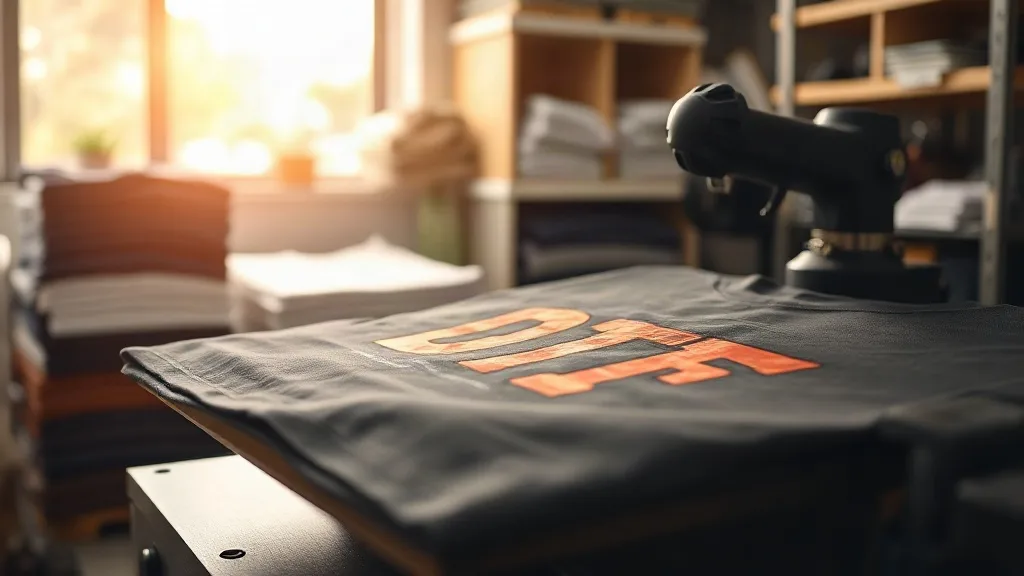
If you have spent any time in a print shop or a custom apparel business lately, you have probably heard the buzz around dtf transfers. It is not just another printing trend; it is a genuine shift in how small and large shops approach customization. Unlike screen printing, which demands setup costs and minimums, or vinyl, which struggles with complex designs, DTF (direct-to-film) offers a sweet spot: full-color, durable prints on almost any fabric, with no minimum order and minimal equipment. But here is the catch: the quality of your final product depends heavily on how well you understand the process. This guide is not just another overview; it is a deep dive into the practical details that separate a good print from a great one. Whether you are a seasoned printer or just starting out, you will find actionable advice to improve your results and grow your business.
Why DTF Transfers Are a Game-Changer for Custom Apparel
The appeal of dtf is simple: it removes barriers. You no longer need to invest in screens, color separations, or specialized inks for each job. A single DTF printer can produce transfers for hundreds of different designs in a day, each with photographic detail and vibrant colors. This flexibility is why so many shops have adopted the technology, especially for small-batch and on-demand orders. But the real magic lies in the versatility of fabrics it can handle. From 100% cotton to polyester blends, and even tough materials like canvas and denim, DTF adheres reliably when applied correctly. That means you can say yes to more customer requests without worrying about whether the print will hold up. And for businesses that cater to niche markets, such as team uniforms or event merch, the ability to produce one-off designs without breaking the bank is a significant advantage.
Choosing the Right Blanks for DTF Printing
Not all blanks are created equal, and the substrate you choose plays a huge role in the final look and durability of your DTF print. Heavyweight tees, for instance, are popular for their premium feel and ability to hold large prints without sagging. When selecting blanks, consider the fabric content, weight, and weave. A tight weave provides a smoother surface for the transfer, reducing the chance of the print sinking into the fabric and losing detail. Heavier fabrics, like those from Wholesale Heavyweight Tees, offer a substantial canvas that enhances the perceived value of the garment. Also, pay attention to the color of the blank; while DTF can print on dark colors, a white base layer is included in the transfer, so the brightness of the final image can be affected by the underlying fabric. Testing on a few swatches before committing to a large order is always a smart move.
Fabric Composition and Weave
Cotton and cotton-poly blends are the most forgiving for DTF. They accept the adhesive well and provide a smooth surface. However, 100% polyester can be trickier because the fabric may have a slight texture or sheen that affects adhesion. In such cases, a lower pressing temperature and careful pressure control can help. Also, consider the fabric finish; some fabrics have a water-repellent coating that can prevent proper bonding. If you are unsure, a quick test press on a scrap piece will save you from costly mistakes.
Mastering the Press: Settings and Techniques
Pressing is where the magic happens, but it is also where many issues arise. The key variables are temperature, pressure, and time. For most DTF transfers, a temperature of 300-325°F (150-160°C) is recommended, but always check the transfer supplier's guidelines. Pressure should be medium to firm, ensuring even contact between the transfer and the fabric. Time varies from 10 to 15 seconds for the initial press, followed by a cold peel. A common mistake is peeling the transfer while it is still hot, which can cause the design to stretch or tear. Patience is crucial. After peeling, a second press for 5-10 seconds with a protective sheet or parchment paper helps to fully embed the adhesive into the fabric, improving wash durability.
Pre-Pressing Matters
Before applying the transfer, always pre-press the garment for a few seconds to remove moisture and wrinkles. This step is often overlooked but can make a big difference. Moisture trapped in the fabric can turn to steam during pressing, creating bubbles or preventing proper adhesion. A quick pre-press also flattens the fabric, ensuring the transfer makes full contact. For heavyweight fabrics, you might need a slightly longer pre-press to ensure the heat penetrates evenly.
Troubleshooting Common DTF Issues
Even with the best practices, problems can occur. Here are some common issues and how to fix them:
- Transfer not adhering: Increase pressure or temperature slightly, and ensure the garment is properly pre-pressed.
- Design cracking after washing: This usually indicates insufficient pressure or time during the second press. Try a longer second press or higher pressure.
- Color fading: If the print looks dull after washing, it might be due to poor quality transfers or washing inside out with harsh detergents. Recommend cold wash and inside-out drying to your customers.
- Peeling edges: This can happen if the transfer was not trimmed closely or if the edges were not pressed firmly. Use a heat-resistant tape to hold the transfer in place during pressing.
For those who need quick access to quality supplies, searching for dtf transfers near me can connect you with local providers who offer fast turnaround and support.
Scaling Your Business with DTF Transfers
One of the biggest advantages of DTF is scalability. Because you can print multiple designs on a single sheet (a gangsheet), you can optimize material usage and reduce waste. This is especially beneficial for shops that handle a variety of small orders. By nesting designs efficiently, you can cut costs and increase profit margins. Additionally, DTF allows for on-demand production, meaning you can print only what you need, reducing inventory overhead. Many successful shops have built their entire business model around this flexibility, catering to niche markets and offering rapid turnaround. If you are looking to expand, consider investing in a reliable DTF printer and building a workflow that prioritizes efficiency.
Frequently Asked Questions
How long do DTF transfers last on a shirt?
With proper application and care, DTF transfers can last as long as the garment itself. Wash after wash, the print remains vibrant and flexible. Following correct pressing and washing instructions is key to longevity.
Can I use DTF transfers on dark fabrics?
Absolutely. DTF transfers include a white ink layer that allows them to be applied to dark colors without losing vibrancy. The white base ensures the colors pop, making it ideal for black and navy garments.
What is the best temperature for pressing DTF transfers?
Most transfers press well at 300-325°F (150-160°C). However, always refer to the specific instructions from your transfer supplier, as formulations can vary.
Do I need a special printer for DTF?
Yes, DTF requires a dedicated printer that uses DTF inks and can print onto PET film. However, if you are not ready to invest in a printer, you can order pre-printed transfers from suppliers and focus on pressing.
How do I store DTF transfers?
Store them in a cool, dry place away from direct sunlight. Keep them flat or rolled loosely to prevent creasing. Proper storage ensures the transfers remain usable for months.