
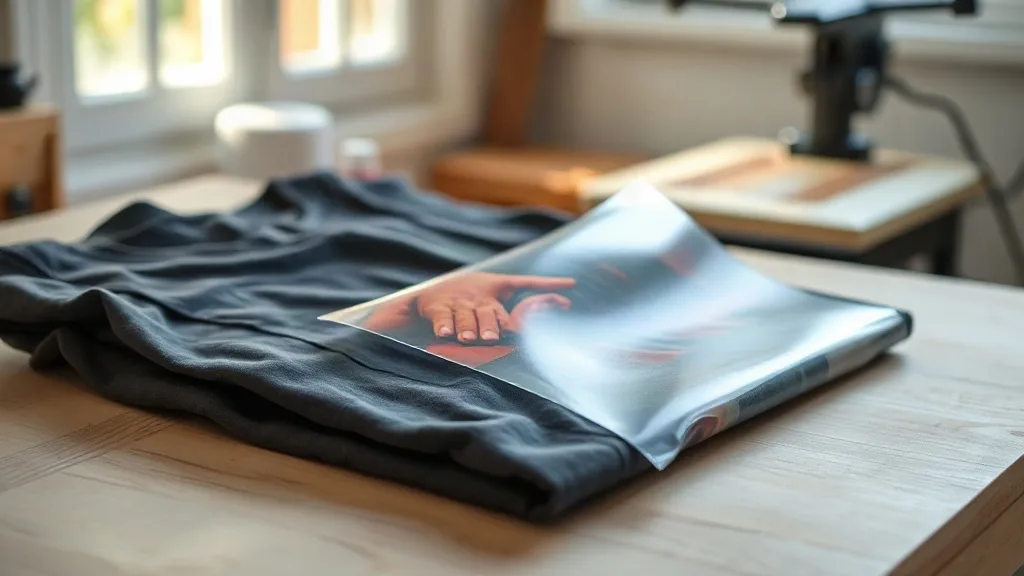
Heavyweight tees have a reputation to protect. A 6.5 oz or 7 oz cotton blank feels substantial in the hand, holds its shape through repeated washes, and signals quality before anyone reads the print. So when a decoration method starts failing on that blank, the shirt stops selling. dtf transfers are one of the few decoration options that can match a heavyweight garment's durability, but only if the film, powder, and press settings are dialed in for the fabric weight. This guide is for brand owners, print shops, and merch teams who want the print to feel as premium as the shirt.
Why Heavyweight Cotton Changes the DTF Equation
Most DTF troubleshooting advice online was written with standard 5.3 oz ringspun tees in mind. Heavyweight blanks behave differently. The fabric is denser, the surface is often more textured, and the garment absorbs more heat during pressing. Those differences matter because DTF relies on a thermoplastic adhesive powder melting into the fabric fibers.
On a thin tee, heat travels through quickly and the powder bonds fast. On a heavy blank, the same press time can leave the adhesive under-cured at the fabric interface while the top of the transfer looks perfectly fine. The result shows up three washes later as edge lift or a print that peels from the corners inward. Adjusting for fabric weight is not optional if you are printing at scale.
Surface texture and hand feel
Heavyweight tees frequently use open-end or carded cotton with a visible grain. That grain is part of the appeal, but it means the transfer has to conform to a slightly uneven surface. A well-made dtf film with a flexible adhesive layer handles this well. Cheap film with a stiff carrier tends to bridge the texture rather than settle into it, which leaves a plastic-like patch that customers notice immediately.
Color and coverage on dark garments
White ink laydown is where DTF earns its keep on black and navy heavyweight tees. A proper white base keeps colors opaque without the thick, rubbery feel of some screen-printed alternatives. If you are printing large front graphics on dark 7 oz cotton, ask your supplier whether the film uses a double white pass and how that affects stretch recovery.
Choosing the Right Film for Your Blanks
Not all DTF film is built for the same job. For heavyweight programs, look at three specs before you commit to a roll.
- Adhesive flexibility: Flexible powders stretch with the garment instead of cracking along fold lines.
- Carrier release consistency: A film that releases cleanly at lower temperatures protects the cotton from scorching.
- Powder particle size: Finer powder gives a softer hand and better detail on small text and halftones.
If you are sourcing blanks and decoration together, it helps to work with a supplier who understands both sides of the equation. Shops that sell heavyweight tees wholesale and also handle print-ready garments tend to give more useful guidance on film compatibility than a generic transfer reseller.
Press Settings That Actually Work on Heavy Cotton
Here is a starting point that holds up across most 6 to 8 oz cotton blanks. Treat it as a baseline and test on your specific garment before running a full production batch.
- Pre-press the shirt for 5 to 7 seconds to remove moisture. Heavy cotton holds more humidity than light jersey, and trapped moisture is a leading cause of adhesion failure.
- Press at 300 to 320°F (150 to 160°C) with medium to firm pressure. Lower temperatures need longer dwell times, which can scorch lighter-colored garments.
- Peel cold or warm, not hot. Hot peeling on textured cotton can distort the adhesive before it sets.
- Post-press for 5 seconds with a cover sheet to lock the edges and smooth the hand feel.
Run a wash test before you scale. Print three samples, wash them five times inside out on a normal cycle, and inspect the edges. If you see lifting, increase pressure or extend the press time by two seconds rather than cranking the temperature.
Common mistakes on heavyweight garments
The most frequent error is pressing too light and too hot. High heat with low pressure makes the film look bonded while the adhesive never fully penetrates the denser weave. The second most common mistake is skipping the pre-press, especially on garments that have been stored in a humid warehouse. Both issues are easy to fix once you know to look for them.
Wash Durability and What Customers Expect
Buyers of heavyweight tees are usually paying a premium, and they expect the print to survive as long as the shirt. A properly applied DTF transfer on quality film should hold through 30 or more home washes without significant fading or cracking. In practice, durability comes down to three factors: adhesive cure, film quality, and wash instructions.
Print a simple care label or hangtag note recommending cold wash, inside out, and tumble dry low. That single step reduces returns more than most production tweaks. If you are selling blanks or finished goods to other businesses, include the same guidance in your line sheet.
Sourcing Transfers and Blanks Together
For brands scaling a heavyweight program, the logistics matter as much as the print quality. Ordering blanks from one supplier and transfers from another creates timing gaps, color mismatches, and finger-pointing when something fails. Where possible, consolidate. Many shops now search for dtf transfers near me to cut shipping time, and pairing that with a local or regional blank supplier shortens the loop from order to fulfillment.
When you evaluate a transfer supplier, ask for a sample pack on your actual garment, not on their house blank. Request the press settings they recommend for heavyweight cotton and confirm the film's wash rating. A supplier who answers those questions with specifics is usually the one worth keeping.
Frequently Asked Questions
Do DTF transfers work on 100% heavyweight cotton?
Yes. Cotton is actually one of the most forgiving surfaces for DTF because the adhesive powder bonds well to natural fibers. The key is adjusting press pressure and pre-pressing to account for the denser weave. Blends with high polyester content can require slightly lower temperatures to avoid dye migration, but pure heavyweight cotton is straightforward once your settings are dialed in.
How long should I press a DTF transfer on a 7 oz tee?
Start with 12 to 15 seconds at 300 to 320°F with firm pressure, then post-press for 5 seconds with a cover sheet. Heavier garments may need an extra 2 to 3 seconds. Always run a wash test on samples before committing a full production run, since press calibration varies between machines.
Will DTF prints crack on heavyweight shirts after washing?
Cracking usually points to under-cured adhesive or a film with poor elasticity, not the fabric itself. If your settings are correct and the film is quality, the print should stretch and recover with the garment. Cold washing inside out and avoiding high dryer heat will extend the print's life significantly.
Can I order DTF transfers and heavyweight blanks from the same place?
Some suppliers offer both, and it is worth asking. Consolidating reduces shipping costs and lead time, and it makes it easier to resolve issues when a print does not perform as expected. If your supplier only handles one side, ask them for a referral to a partner they trust.
What is the minimum order for custom DTF transfers?
Minimums vary widely. Some shops run single transfers through gang sheets, while others require 25 or 50 pieces per design. For heavyweight programs with multiple sizes, gang sheeting is usually the most cost-effective route because it fills the film area efficiently and keeps per-unit costs low.