
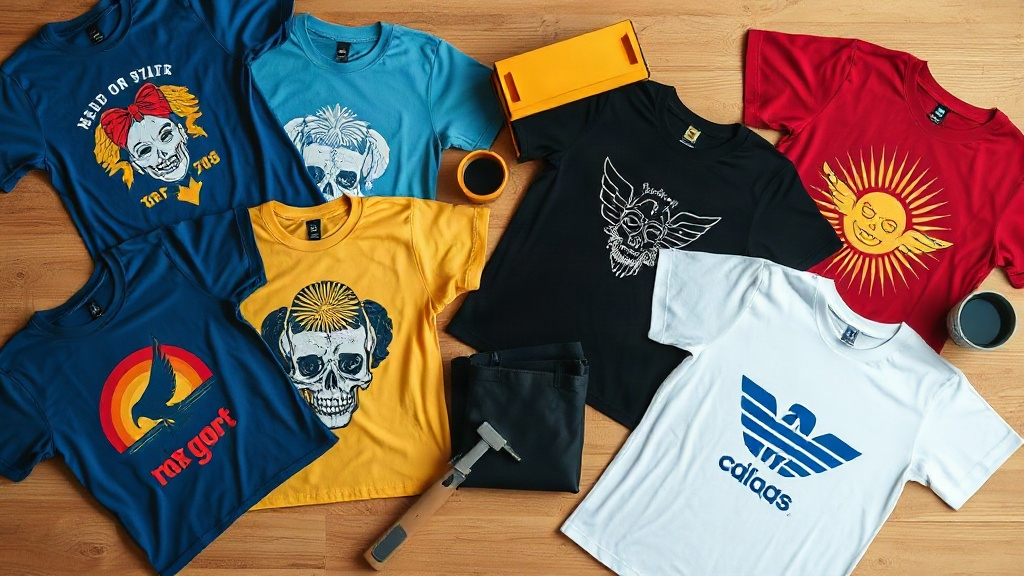
When you want to make a statement, nothing beats the power of custom shirts. Whether you're promoting a business, celebrating a family reunion, or just expressing your unique style, a personalized tee turns an ordinary garment into a walking billboard. But not all custom T-shirts are created equal. From fabric choice to printing method, the details make the difference between a shirt that gets worn once and one that becomes a favorite. In this guide, we'll walk you through everything you need to know to create custom shirts that people actually love to wear.
Why Custom Shirts Matter More Than Ever
In a world of digital ads and fleeting social media posts, physical merchandise cuts through the noise. A well-designed custom shirt is tangible, useful, and long-lasting. It puts your message in front of new eyes every time it's worn. For businesses, that's free advertising. For events, it's a memorable takeaway. For individuals, it's a creative outlet. And with the rise of remote work and casual dress codes, custom T-shirts have become a staple in both professional and personal wardrobes.
Choosing the Right Fabric for Your Custom T-Shirts
The fabric you choose affects comfort, durability, and how your design looks. Here's what to consider:
- 100% Cotton: Soft, breathable, and takes prints well. Ideal for everyday wear. Ringspun cotton is smoother and more durable than standard cotton.
- Cotton-Poly Blends: Combine the softness of cotton with the resilience of polyester. They resist shrinking and wrinkling, making them great for activewear or uniforms.
- Tri-Blends: A mix of cotton, polyester, and rayon. Ultra-soft with a vintage feel, but they tend to be pricier.
- Performance Fabrics: Moisture-wicking and quick-drying. Perfect for sports teams or outdoor events.
Think about how the shirt will be used. A lightweight cotton tee is perfect for a summer festival, while a heavier blend might be better for a work uniform that needs to withstand frequent washing.
Printing Methods: Which One Is Right for You?
There are several ways to put your design on a shirt, each with its own strengths and weaknesses.
Screen Printing
Screen printing is the most common method for bulk orders. It involves pushing ink through a mesh screen onto the fabric. It's cost-effective for large quantities and produces vibrant, long-lasting colors. However, it's not ideal for complex designs with many colors or small details, as each color requires a separate screen.
Direct-to-Garment (DTG) Printing
DTG works like a specialized inkjet printer for fabric. It's perfect for full-color, detailed designs and small batches. The ink is absorbed into the fabric, so the print feels soft and won't crack. The downside is that DTG is generally more expensive per shirt than screen printing for large orders, and colors may appear slightly muted on dark fabrics.
Heat Transfer Vinyl (HTV)
HTV involves cutting your design from colored vinyl and pressing it onto the shirt with heat. It's great for simple designs, names, and numbers. It's durable and available in many colors and finishes, including metallic and glitter. However, large, multi-color designs can be time-consuming to produce.
Embroidery
For a premium, professional look, embroidery is the way to go. It's stitched directly into the fabric, giving a high-end feel. It's ideal for logos on polos or left-chest designs. The limitation is that very fine details may not translate well, and it's more expensive than printing.
How to Design Custom Shirts That People Will Wear
Designing a custom shirt isn't just about slapping a logo on a blank. To create something people actually want to wear, keep these principles in mind:
- Keep it simple. A clean, uncluttered design is more versatile and appealing.
- Consider placement. Left chest, full front, back, sleeve—each location sends a different message. A small left-chest logo is subtle; a full-back print is bold.
- Use high-contrast colors. Ensure your design stands out against the shirt color. Light designs on dark shirts and vice versa.
- Think about the garment color. Neutral shirt colors (white, black, grey, navy) tend to be more popular because they match more outfits.
- Get feedback. Before you commit to a large order, show a mockup to a few people. What looks good on screen might not translate well to fabric.
Ordering Custom T-Shirts: A Step-by-Step Guide
Ready to bring your design to life? Follow these steps to ensure a smooth process.
1. Determine Your Quantity
Most printers offer price breaks at certain quantities (e.g., 12, 24, 50, 100). Ordering a few extra is wise to account for mistakes or to have spares. But don't overorder if you're unsure about demand.
2. Choose Your Blank
The blank shirt is the canvas. Consider brand, fit, fabric, and color. Popular options include Gildan, Bella+Canvas, and Next Level. If you're unsure, order samples to feel the quality.
3. Prepare Your Artwork
Most printers require vector files (AI, EPS, PDF) for the best results. If you only have a raster image (JPG, PNG), it may need to be converted. Work with a designer if needed to ensure your file is print-ready.
4. Get a Mockup and Quote
Before production, ask for a digital mockup. This shows how your design will look on the chosen shirt color. Review it carefully and request changes if necessary. Also, confirm the turnaround time and shipping costs.
5. Approve and Produce
Once you approve the mockup, production begins. After receiving your order, inspect a few shirts for quality. Check that the print is centered, colors are correct, and there are no defects.
Common Mistakes to Avoid with Custom Shirts
Even seasoned buyers make mistakes. Here are a few pitfalls to steer clear of:
- Using low-resolution images. They will look pixelated and unprofessional when printed.
- Ignoring the garment's color in the design. A design that looks great on white might disappear on a similar background color.
- Forgetting to check spelling and grammar. Typos are embarrassing and costly to fix.
- Not ordering a sample. Always see and feel a sample before committing to a large run.
- Underestimating shipping time. Plan ahead, especially for events with fixed dates.
Frequently Asked Questions About Custom Shirts
How much do custom shirts cost?
Pricing depends on the quantity, printing method, and shirt quality. As a rough guide, screen-printed shirts start around $8–$15 each for orders of 50 or more, while single DTG shirts can be $20–$30. Embroidery typically costs more. Always request a quote for accurate pricing.
What file format do I need for my design?
Vector files (AI, EPS, PDF) are preferred because they can be scaled without losing quality. If you only have a high-resolution raster file (300 DPI or higher), many printers can work with it, but vector is best.
Can I mix sizes and colors in one order?
Yes, most printers allow you to mix sizes and colors within the same design. However, some may have minimum quantities per color or size. Check with your printer.
How long does it take to get custom shirts?
Turnaround time varies. For screen printing, expect 1–2 weeks after artwork approval. DTG can be faster, sometimes 3–5 business days. Rush options may be available for an extra fee.
Do custom shirts shrink?
Cotton shirts may shrink slightly after the first wash, especially if not pre-shrunk. Blends and performance fabrics are less prone to shrinking. Always follow the care instructions on the tag.
Creating custom shirts is a rewarding process that yields a product you can be proud of. By choosing the right fabric, printing method, and design, you'll end up with T-shirts that people will wear again and again. Start planning your custom shirt project today and make your mark.