
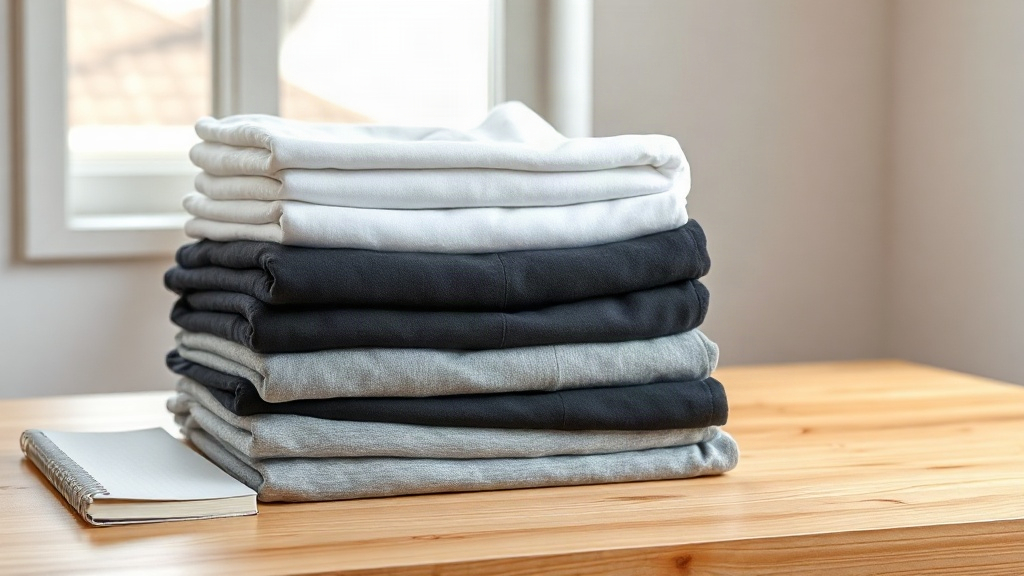
When you're about to print your own designs, the blank t-shirt you choose can make or break the final result. Smart Blank T-Shirts are not just ordinary tees; they are engineered for optimal printability, comfort, and durability. Whether you're a screen printer, a heat transfer enthusiast, or a small business owner, understanding what makes a blank "smart" will elevate your creations. In this guide, we'll dive deep into the world of smart blanks, covering everything from fabric composition to fit, so you can make informed decisions and produce professional-quality apparel every time.
What Makes a T-Shirt "Smart"?
The term "smart" in Smart Blank T-Shirts refers to a combination of features that cater specifically to customization. Unlike standard blanks, smart blanks are designed with the printer in mind. They often have tighter weave structures, consistent thread counts, and optimized surface textures that allow inks and transfers to adhere smoothly. Additionally, smart blanks typically undergo special finishing processes to minimize shrinkage and warping, ensuring that your printed design stays put wash after wash. But it's not just about printing; smart blanks also prioritize the wearer's comfort. They are made from soft, breathable fabrics that feel great against the skin, making them ideal for everyday wear. So, a smart blank is a harmonious blend of printability and wearability.
Key Factors to Consider When Choosing Smart Blank T-Shirts
Not all blanks are created equal. To select the best Smart Blank T-Shirts for your needs, you need to evaluate several critical factors. Let's break them down.
Fabric Type and Weight
The fabric of your blank dictates how well it will accept different printing methods. Cotton is the most popular choice due to its natural fibers that hold ink well. However, not all cotton is the same. Ring-spun cotton, for instance, is softer and smoother than carded cotton, making it a favorite for high-end prints. You'll also encounter blends like cotton-polyester, which offer durability and reduced shrinkage. The weight of the fabric, measured in ounces per square yard (oz/yd²), also matters. Lighter weights (around 4-5 oz) are great for summer tees and detailed prints, while heavier weights (6-7 oz) provide a more structured canvas and are ideal for bold, opaque designs. For smart blanks, a mid-weight ring-spun cotton (around 5.5 oz) often hits the sweet spot.
Fit and Style
The fit of your blank t-shirt impacts both comfort and the final look of your design. Smart blanks come in various fits: classic, slim, relaxed, and even oversized. The classic fit is universally flattering and offers ample room for printing. Slim fit is tailored for a modern look but can be tricky for large prints. Relaxed and oversized fits are trendy and provide a roomy canvas for bold graphics. Consider your target audience and the vibe of your design. For a streetwear brand, an oversized heavyweight blank might be perfect, while a corporate event might call for a classic fit in a soft cotton blend. Also, pay attention to details like neckline (crew neck vs. V-neck), sleeve length, and side seams. These small features can significantly affect the overall appeal.
Color and Consistency
Color accuracy is paramount when you're printing multiple items. Smart blanks are often available in a wide spectrum of colors, but consistency across dye lots is crucial. Imagine printing a batch of 50 shirts only to find that the blanks vary slightly in shade. That's a nightmare. Reputable suppliers ensure color consistency by controlling their dyeing processes. When choosing Smart Blank T-Shirts, look for brands that guarantee colorfastness and offer Pantone-matched options if you need exact hues. Also, consider how the color interacts with your print. Light colors are forgiving and allow for vibrant prints, while dark colors may require a white underbase for opacity. Testing on a sample blank before a large order is always a smart move.
Top Printing Methods for Smart Blank T-Shirts
Once you've selected your blanks, the next step is choosing a printing method that complements the fabric. Here's a quick rundown of popular techniques and how they perform on smart blanks.
- Screen Printing: The industry standard for bulk orders. It works best on 100% cotton or high-cotton blends. Smart blanks with a tight weave prevent ink from bleeding, resulting in crisp lines. Ideal for bold, simple designs with few colors.
- Direct-to-Garment (DTG): Perfect for intricate, full-color designs. DTG printers require a smooth, flat surface, so smart blanks with a tight weave and minimal texture are ideal. Pre-treatment is often needed for dark shirts.
- Heat Transfer Vinyl (HTV): Great for small batches and personalized items. Smart blanks with a smooth finish allow HTV to adhere evenly. Avoid fabrics with high texture or loose knits.
- Sublimation: Only works on polyester or high-poly blends. Smart blanks made from polyester can produce vibrant, permanent prints that won't crack or peel. Not suitable for cotton.
Each method has its pros and cons, so match it to your design, quantity, and budget.
How to Care for Your Printed Smart Blank T-Shirts
You've put time and effort into creating your custom apparel. Now, ensure it lasts. Proper care is essential to maintain the print's vibrancy and the fabric's integrity. Always wash inside out in cold water to protect the print from friction and heat. Avoid using bleach or fabric softeners, as they can degrade the ink and fabric over time. Tumble dry on low or hang dry for best results. If ironing is necessary, do it inside out and avoid direct heat on the print. Following these simple steps will keep your Smart Blank T-Shirts looking fresh for years.
Frequently Asked Questions About Smart Blank T-Shirts
What is the best fabric for screen printing on smart blank t-shirts?
100% ring-spun cotton is widely considered the best for screen printing. Its smooth surface and tight weave allow for excellent ink adhesion and detail. Cotton-poly blends also work well but may require different inks. For the most vibrant and durable results, choose a high-quality ring-spun cotton blank.
Can I use smart blank t-shirts for sublimation printing?
Sublimation printing requires polyester fabric because the process involves turning ink into gas and bonding it with the polymer fibers. Smart blank t-shirts made from 100% polyester or high-poly blends (at least 65% polyester) are suitable. Cotton shirts will not work with sublimation; the ink won't bond and will wash out.
How do I prevent my printed design from cracking?
Cracking usually occurs due to improper curing, low-quality ink, or incorrect washing. Ensure your ink is fully cured according to the manufacturer's instructions. When washing, turn the shirt inside out, use cold water, and avoid harsh detergents. Also, choose a smart blank with a smooth surface to minimize stress on the print.
Are smart blank t-shirts more expensive than regular blanks?
Smart blank t-shirts may have a slightly higher price point due to their enhanced features, but the difference is often minimal. The improved printability and durability can save you money in the long run by reducing waste and returns. Many suppliers offer competitive pricing, especially for bulk orders, making smart blanks a cost-effective choice.
What is the difference between ring-spun and carded cotton?
Ring-spun cotton is made by continuously twisting and thinning the cotton strands, resulting in a softer, smoother, and stronger yarn. Carded cotton is made by combing the fibers, which leaves them shorter and less refined. Ring-spun cotton is preferred for smart blanks because it provides a superior printing surface and a more comfortable feel.