
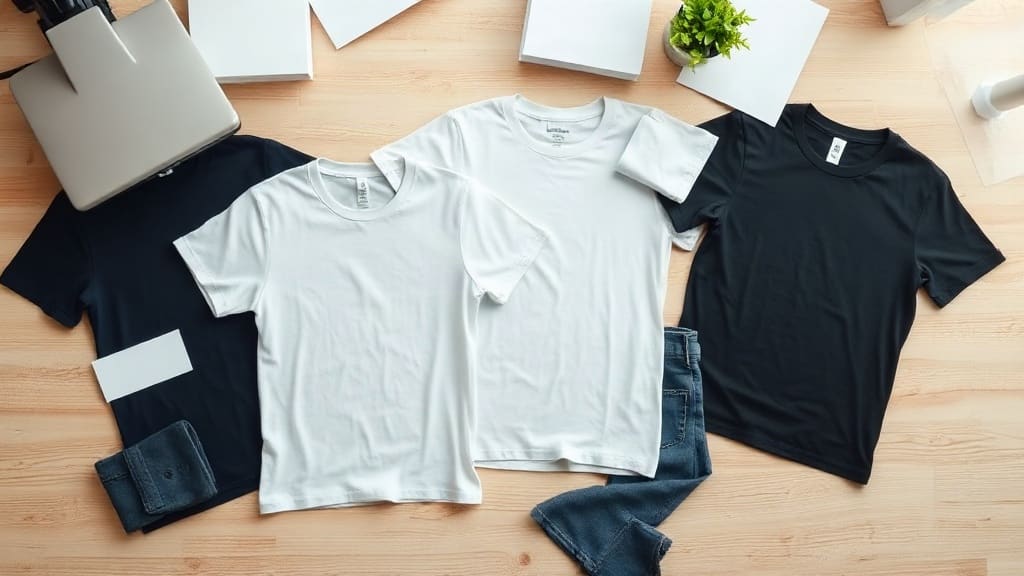
There is a particular thrill in pulling on a shirt you designed yourself. Whether you are printing a single birthday tee or preparing a full product line, the foundation of every great custom shirt is the blank itself. At Buy Smart Blanks, we have helped thousands of creators turn ideas into wearable art, and we have learned that the difference between a shirt that gets worn once and one that becomes a favorite comes down to the blank you choose. This guide walks you through everything you need to know about selecting Smart Blanks, preparing your artwork, and applying designs that hold up wash after wash.
Why the Blank Matters More Than You Think
A custom shirt is a collaboration between your design and the canvas it sits on. A heavyweight cotton tee with a tight knit will make your print look crisp and professional, while a lightweight poly blend might cause ink to spread or fade. The wrong blank can also shrink unpredictably, pill after a few washes, or feel rough against the skin, turning a clever design into a drawer dweller. Choosing Smart Blanks means you start with fabrics that are tested for printability, comfort, and durability, so your artwork gets the best possible chance to shine.
Understanding Smart Blanks
Smart Blanks is more than a product line; it is a curated selection of garment blanks designed for creators. Each piece is chosen for its ability to take decoration, hold its shape, and feel good to wear. Whether you need 100% cotton, tri-blends, or performance fabrics, the range covers the most popular styles for screen printing, DTG, heat transfer, and embroidery. Because the blanks are sourced with consistency in mind, you can reorder the same style months later and get a nearly identical garment, which is critical if you sell your shirts.
Fabric Options at a Glance
- 100% Cotton: The classic choice. Soft, breathable, and ideal for screen printing and DTG. It takes vibrant colors and holds up well over time.
- Cotton/Poly Blends: Usually 50/50 or 60/40. These resist shrinking and wrinkling, making them great for everyday wear. They work well with plastisol and water-based inks.
- Tri-Blends: A mix of cotton, polyester, and rayon. These have a vintage, heathered look and an ultra-soft feel. They are popular for retail-style tees but may require a bit more care when printing.
- Performance Fabrics: Often 100% polyester. Moisture-wicking and stretchy, perfect for athletic wear. They need special inks or transfers designed for synthetics.
Fit and Style Choices
Beyond fabric, fit drives how your shirt is worn. The most common options are classic fit (roomy and traditional), slim fit (tapered through the body), and relaxed fit (loose and comfortable). You will also find variations in neckline (crew, V-neck, scoop), sleeve length (short, long, three-quarter), and hem style. For custom shirts, crew neck short-sleeve tees remain the bestsellers, but do not overlook long-sleeve options for fall launches or tank tops for summer events. The key is to match the fit to your audience: a slim-fit tee with a minimalist logo appeals to a younger, fashion-forward crowd, while a classic-fit heavyweight cotton shirt works for team uniforms and promotional giveaways.
Choosing the Right Blank for Your Project
Start by defining the purpose of the shirt. Is it a one-off gift, a staff uniform, or a product you plan to sell? For gifts, comfort and softness often trump everything else, so a tri-blend or ringspun cotton tee is a safe bet. For uniforms, durability and color consistency matter more; a 50/50 blend in a midweight fabric will survive repeated washing and wear. If you are building a brand, consider your target market: eco-conscious buyers may prefer organic cotton, while athletes will appreciate performance polyester.
Next, think about your decoration method. Screen printing works best on smooth, flat fabrics with a tight weave, so 100% cotton or cotton-rich blends are ideal. DTG printing requires a high cotton content for the best color vibrancy; polyester can cause the ink to look faded. Heat transfer vinyl (HTV) adheres well to most fabrics but may not stick to highly textured or stretchy materials. Embroidery needs a stable, midweight fabric that can support stitching without puckering.
Finally, consider color. Light-colored blanks allow for bright, opaque prints, while dark blanks may require a white underbase for screen printing or a white toner layer for DTG. If you want a vintage, faded look, choose a heather or triblend blank and use water-based inks. For bold, high-contrast designs, a solid white or light gray cotton tee is hard to beat.
Printing Methods for Custom Shirts
Once you have your Smart Blanks in hand, the next step is applying your design. Here is a quick rundown of the most common methods and how they pair with different fabrics.
Screen Printing
Best for large orders and bold graphics. It involves pushing ink through a mesh screen, one color at a time. It is cost-effective at scale and produces vibrant, long-lasting prints. Works best on 100% cotton and cotton/poly blends. Not ideal for photo-realistic designs with many colors.
Direct-to-Garment (DTG) Printing
Perfect for detailed, full-color designs and small batches. DTG printers act like inkjet printers for fabric, spraying ink directly onto the shirt. It requires a high cotton content (at least 50%, ideally 100%) for best results. The print may feel slightly stiff at first but softens after a wash.
Heat Transfer Vinyl (HTV)
Great for simple shapes, text, and numbers. You cut the vinyl with a craft cutter, weed away the excess, and press it onto the shirt with a heat press. It works on most fabrics but adheres best to smooth, flat surfaces. Not recommended for highly stretchy or textured materials.
Embroidery
Adds a premium, textured look. Ideal for left-chest logos, hats, and polos. It requires a stable fabric that can support the weight of the stitching. Midweight cottons and blends work well. Avoid lightweight or highly stretchy fabrics, as they may pucker or distort.
Preparing Your Artwork for Printing
Your design file is just as important as the blank. For screen printing, you will need a vector file (AI, EPS, or PDF) with separate layers for each color. For DTG, a high-resolution PNG (300 DPI at print size) with a transparent background works best. Always check the print size: a standard front print is about 12 inches wide by 14 inches tall, while a left-chest logo is typically 3 to 4 inches wide. If you are using text, convert it to outlines to avoid font substitution issues. And do not forget to mirror your image if you are using HTV, since you will be cutting it backwards.
Care Tips to Make Your Custom Shirts Last
Even the best blank can degrade if cared for improperly. Here are some tried-and-true tips:
- Wash inside out in cold water to protect the print.
- Avoid fabric softener, which can break down adhesives and inks.
- Tumble dry low or hang dry. High heat can cause cracking and fading.
- Do not iron directly on the print. If needed, iron inside out or use a pressing cloth.
- For HTV, wait 24 hours after pressing before the first wash to let the adhesive fully cure.
Common Mistakes to Avoid
We have seen many first-time creators stumble on the same few issues. Skipping a test print is a big one: always press or print a sample on a scrap piece of fabric before running your entire order. Using the wrong ink for the fabric can lead to washes out or cracked designs. Ignoring fabric shrinkage can ruin a perfect fit; pre-shrink your blanks if you are concerned about sizing. And finally, do not underestimate the power of a good heat press. A quality press with even pressure and accurate temperature will make your transfers look professional and last longer.
Frequently Asked Questions
What are Smart Blanks and why should I use them for custom shirts?
Smart Blanks are a curated line of garment blanks selected for their printability, comfort, and durability. They are tested to work well with common decoration methods like screen printing, DTG, and HTV, so you get consistent results and a professional finish.
Which fabric is best for screen printing custom shirts?
100% cotton or cotton-rich blends (at least 50% cotton) are ideal for screen printing. They have a smooth surface that holds ink well and produces vibrant, long-lasting prints. Polyester can cause the ink to fade or crack over time.
Can I use Smart Blanks for DTG printing?
Yes, many Smart Blanks styles are optimized for DTG printing. Look for high cotton content (100% cotton is best) and a smooth, tight weave. Blends with a high polyester content may not yield vibrant colors with DTG.
How do I choose the right size blank for my custom shirt?
Start by checking the manufacturer's size chart, as fits vary between styles. If you are between sizes, consider the desired fit: classic fits are roomier, slim fits are tapered, and relaxed fits are looser. When in doubt, order a sample in your size before committing to a large order.
What is the best way to wash a custom printed shirt?
Turn the shirt inside out and wash in cold water on a gentle cycle. Avoid bleach and fabric softener. Tumble dry on low or hang dry. If ironing, do not iron directly on the print; use a pressing cloth or iron the shirt inside out.