
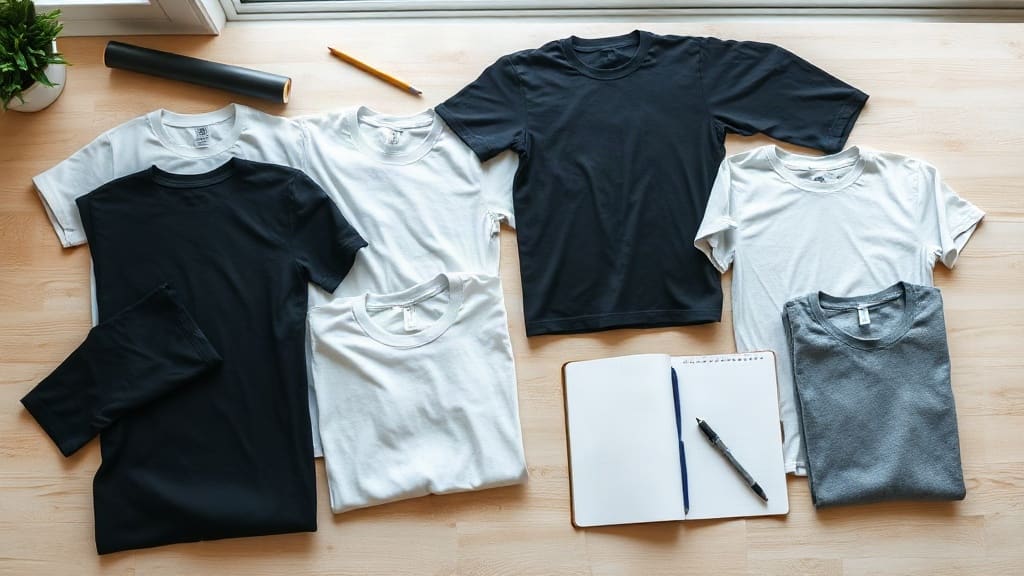
Creating custom shirts is more than a creative outlet; it's a way to tell a story, build a brand, or simply wear something that feels uniquely yours. Whether you're a small business owner looking to add branded apparel, a hobbyist crafting gifts for friends, or an event organizer needing team uniforms, the process can seem overwhelming at first. That's where Smart Blanks comes in. As a leading supplier of high-quality blank apparel, Smart Blanks provides the canvas you need to bring your ideas to life. In this guide, we'll walk you through everything you need to know about making custom shirts, from selecting the perfect blank to choosing the right printing method, and we'll show you why Smart Blanks is the trusted choice for creators at every level.
Why Custom Shirts Are Worth the Effort
Custom shirts offer a unique blend of personal expression and practical value. For businesses, branded shirts turn employees into walking billboards, increasing brand recognition and fostering a sense of team unity. For individuals, a custom shirt can commemorate a special event, showcase a hobby, or simply reflect a personal style that mass-produced clothing can't match. Moreover, the custom apparel market continues to grow, with consumers increasingly seeking unique, made-to-order items over generic alternatives. By creating custom shirts, you tap into this demand, whether you're selling to customers or wearing your own designs.
Choosing the Right Blank Shirt
The foundation of any great custom shirt is the blank itself. A poor-quality blank can undermine even the most brilliant design, leading to discomfort, fading, or premature wear. When selecting blanks, consider the fabric, fit, and intended use. Cotton is the most popular choice for its softness and breathability, but blends like cotton-polyester offer durability and wrinkle resistance. Smart Blanks offers a wide range of options to suit every project, from classic crew necks to trendy oversized tees and performance fabrics.
Fabric Matters
For everyday wear, 100% cotton is hard to beat. It's comfortable, takes prints well, and has a natural feel. However, if you're creating athletic wear or shirts for outdoor events, consider moisture-wicking polyester or blends. These fabrics manage sweat and dry quickly, keeping the wearer comfortable. Smart Blanks categorizes its inventory by fabric type, making it easy to filter and find exactly what you need.
Fit and Style
The fit of a shirt can make or break its appeal. Unisex styles are versatile and popular for promotional items, while women's cuts offer a more tailored silhouette. Youth sizes are essential for school events or family reunions. Don't forget about sleeve length: short sleeves are standard, but long sleeves and even tank tops can expand your offerings. Smart Blanks carries a diverse selection of fits and styles, so you can cater to any audience.
Color Selection
Color is a powerful tool in design. A white or light-colored shirt provides a neutral background that makes vibrant prints pop, while dark shirts can create a sleek, modern look with white or metallic ink. Keep in mind that the shirt color affects the final appearance of your design, especially with techniques like screen printing where ink opacity matters. Smart Blanks offers an extensive palette, from basic blacks and whites to trendy heathers and pastels, ensuring you find the perfect match for your vision.
Popular Printing Methods for Custom Shirts
Once you've chosen your blank, the next step is printing. The method you choose impacts the look, feel, durability, and cost of your custom shirts. Here are the most common techniques:
- Screen Printing: Ideal for large orders with simple designs. It's cost-effective per unit and produces vibrant, long-lasting prints. However, it requires a separate screen for each color, so it's less suited for complex, multi-color images.
- Direct-to-Garment (DTG): Perfect for detailed, full-color designs and small batches. DTG printers apply ink directly to the fabric, allowing for photographic quality. It works best on 100% cotton shirts.
- Heat Transfer / Vinyl: Great for names, numbers, and simple logos. You cut the design from vinyl and press it onto the shirt. It's a popular choice for sports teams and personalized gifts.
- Embroidery: Adds a premium, textured look, often used for polo shirts and corporate apparel. It's durable but can be more expensive and works best with simple logos.
- Sublimation: Only for polyester shirts, this method infuses the ink into the fabric, resulting in no feel and no fading. It's excellent for all-over prints and performance wear.
Each method has its strengths and weaknesses. Consider your design complexity, order quantity, budget, and desired feel when making your choice. Smart Blanks blanks are compatible with all these techniques, giving you the flexibility to experiment.
Designing Your Custom Shirts: Tips for Success
Creating a design that looks good on screen and on a shirt requires some forethought. Here are key tips to ensure your custom shirts turn out perfectly:
- Keep it Simple: Overly complex designs can get lost on a shirt, especially from a distance. Bold, clear graphics and text are more impactful.
- Mind the Placement: The standard print area is the center chest, but consider left chest, full front, back, and sleeves. Placement affects the overall look and can accommodate different design sizes.
- Use High-Resolution Files: For DTG and screen printing, vector files (AI, EPS) or high-res PNGs (300 DPI) are essential. Low-res images will appear pixelated.
- Consider Color Contrast: Ensure your design stands out against the shirt color. Light ink on light fabric won't show well; consider outlines or underlays.
- Test with a Sample: Before committing to a large order, print a single shirt to check colors, sizing, and overall quality. Smart Blanks offers sample packs so you can test different blanks.
Where to Sell Your Custom Shirts
If you're creating shirts to sell, you have numerous avenues. Online marketplaces like Etsy, Shopify, and Amazon Merch on Demand allow you to reach a global audience. Local craft fairs, pop-up shops, and community events are great for direct sales and building a local following. You can also approach businesses for corporate orders or collaborate with influencers. The key is to identify your niche and market accordingly. With Smart Blanks as your supplier, you can scale production as your business grows.
Common Mistakes to Avoid
Even experienced creators make mistakes. Here are a few pitfalls to watch out for:
- Choosing the Wrong Blank: Not all blanks are created equal. A cheap blank may shrink, pill, or feel rough, leading to unhappy customers.
- Ignoring Care Instructions: Custom shirts require proper care to maintain their appearance. Always provide washing instructions to your customers, and test wash a sample to see how the print holds up.
- Underestimating Costs: Factor in the cost of blanks, printing, shipping, and your time. Pricing too low can kill your profit margin.
- Poor Quality Control: Inspect each shirt before shipping. Misprints, crooked placements, or damaged blanks reflect poorly on your brand.
Why Choose Smart Blanks for Your Custom Shirt Projects
Smart Blanks stands out as a supplier because of its commitment to quality, variety, and customer service. Here's what sets them apart:
- Extensive Inventory: Thousands of styles, colors, and sizes from top brands like Gildan, Bella+Canvas, and Next Level.
- Competitive Pricing: Wholesale prices that allow you to maximize profits without sacrificing quality.
- Fast Shipping: Reliable fulfillment so you can meet tight deadlines.
- Expert Support: A team knowledgeable about blanks and printing techniques, ready to help you choose the right products.
- Sample Packs: Try before you buy to ensure your designs work perfectly with the blanks.
Whether you're a seasoned pro or just starting, Smart Blanks provides the tools and resources to make your custom shirt journey smooth and successful.
Frequently Asked Questions About Custom Shirts
What is the best blank shirt for screen printing?
For screen printing, 100% cotton shirts with a smooth, tight weave work best. Popular choices include Gildan 5000 and Bella+Canvas 3001. These blanks hold ink well and provide a soft feel. Smart Blanks carries these and many other screen-print-friendly options.
Can I print on polyester shirts?
Yes, but the method matters. Sublimation is ideal for polyester, as it bonds with the fabric. For DTG, polyester requires a special pretreatment. Screen printing with plastisol ink can work but may not adhere as well. Always test first.
How do I choose the right size for my custom shirts?
Refer to the size chart provided by the blank manufacturer. Consider your target audience: unisex sizes run larger, while women's cuts are more fitted. Offering a size run from S to 3XL covers most needs. Smart Blanks provides detailed size charts for every product.
What is the most cost-effective printing method for small orders?
For small orders (under 50 pieces), DTG or heat transfer vinyl is often more cost-effective because there are no setup fees. Screen printing becomes economical at larger quantities. Smart Blanks can help you decide based on your order size.
How should I care for custom shirts to make them last?
Wash inside out in cold water, tumble dry low or hang dry, and avoid ironing directly on the print. Following these steps will keep your custom shirts looking new for years. Always test wash a sample to ensure the print durability.