
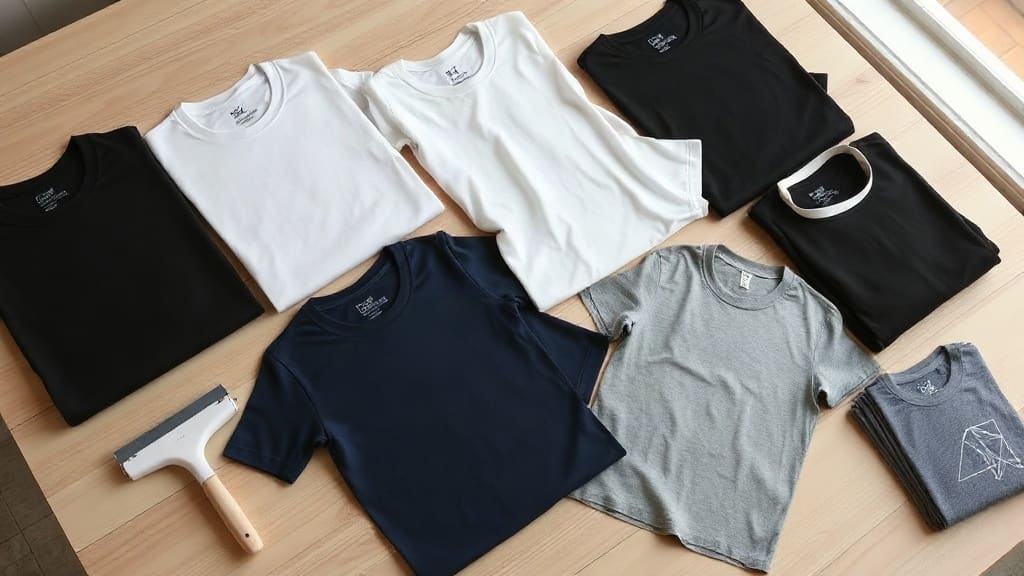
Creating custom shirts is more than picking a design and pressing print. Whether you're a small business owner launching merchandise, a team organizer outfitting a squad, or someone planning a family reunion, the final quality depends on two critical decisions: the blank shirt you start with and the printing method you choose. Get these right, and you'll have garments people actually want to wear. Get them wrong, and you'll end up with cracked prints, uncomfortable fits, or colors that fade after a few washes.
At Buy Smart Blanks, we've seen thousands of projects come through our doors, from single sample orders to bulk runs for events. In this guide, we'll walk you through everything you need to know about selecting blanks and printing techniques for custom shirts that impress. No fluff, just practical advice you can apply immediately.
Why the Blank Shirt Matters More Than You Think
Many people focus entirely on the design and treat the shirt as an afterthought. That's a mistake. The blank is the foundation, and it affects how your print looks, how the shirt feels, and how long it lasts. A cheap, thin blank might seem like a bargain, but it can pill, shrink, or develop holes after minimal wear, making your brand look unprofessional.
Consider these factors when choosing blanks for your custom shirts:
- Fabric content: 100% cotton is the classic choice for comfort and breathability. Cotton-poly blends resist shrinking and wrinkles, making them great for athletic or everyday wear. Tri-blends offer a soft, vintage feel that many people love.
- Weight: Measured in ounces per square yard (oz/yd²), typical t-shirts range from 4.0 oz (lightweight) to 6.1 oz (heavyweight). Lighter shirts are cooler but may feel flimsy; heavier shirts feel durable but can be warmer. For custom shirts that need to hold their shape, aim for at least 5.0 oz.
- Fit: Unisex, women's cut, youth, and plus sizes all have different measurements. Offering a range of fits ensures everyone can find something comfortable. Remember that unisex shirts tend to run larger, so check size charts carefully.
- Color: The shirt color interacts with your ink. Light ink on dark shirts requires a white underbase, which can make the print feel thicker. If you want a soft, vintage look, consider printing on lighter blanks or using discharge ink (more on that later).
Brands like Bella+Canvas, Gildan, Next Level, and Comfort Colors each have their loyal fans for good reason. Bella+Canvas is known for its soft, retail-fit tees. Gildan offers budget-friendly workhorses. Next Level provides trendy cuts, and Comfort Colors delivers that trendy, garment-dyed look. Sampling a few before committing to a large order is always wise.
Choosing the Right Printing Method for Custom Shirts
Once you've selected your blank, the next step is deciding how to apply your design. The method you choose impacts the look, feel, durability, and cost per shirt. Here's a breakdown of the most common options.
Screen Printing
Screen printing is the go-to for bulk orders. It involves pushing ink through a mesh screen onto the fabric. Each color requires a separate screen, so setup costs can add up, but the per-unit price drops significantly as quantity increases. Screen printing produces vibrant, long-lasting prints that can stretch with the fabric if done correctly. It's ideal for large orders (usually 24+ pieces) with simple to moderately complex designs.
Pros: Excellent durability, vivid colors, cost-effective at scale. Cons: High setup costs for small runs, limited color gradients.
Direct-to-Garment (DTG) Printing
DTG works like an inkjet printer for shirts. The design is printed directly onto the fabric using water-based inks. There's no setup cost, making it perfect for small batches or one-off custom shirts. DTG excels with photographic images and complex color blends. However, the print may fade faster than screen printing, and it works best on 100% cotton. Polyester blends can cause the ink to look washed out or fade quickly.
Pros: No minimums, great for detailed designs. Cons: Less durable on dark colors, not ideal for polyester.
Heat Transfer and Vinyl
Heat transfer involves printing your design onto a special paper or vinyl, then using a heat press to apply it to the shirt. This method is popular for small businesses and DIYers because it requires minimal equipment. Vinyl comes in solid colors, patterns, and even specialty finishes like glitter or metallic. It's great for text and simple logos. However, large, multi-color designs can feel heavy, and the transfer may peel over time if not applied correctly.
Pros: Low startup cost, easy for small runs. Cons: Limited detail, can feel stiff on large designs.
Embroidery
For a premium, professional look, embroidery is hard to beat. It's commonly used for polos, hats, and left-chest logos. Embroidery adds texture and perceived value, but it's generally more expensive per piece and not suitable for fine details or large designs. It works best on heavier fabrics that can support the stitching without puckering.
Design Tips for Custom Shirts That Stand Out
Even with the best blank and printing method, a poorly designed shirt won't sell. Keep these guidelines in mind:
- Less is more: A simple, bold design often outperforms a cluttered one. Think of iconic logos that use minimal elements.
- Consider placement: Left chest, full front, back, sleeves, and even hem tags offer different vibes. Left chest is classic for logos; full front makes a statement.
- Check contrast: Ensure your design stands out against the shirt color. Use a color wheel to find complementary or contrasting hues.
- Mind the details: Thin lines and small text may not reproduce well with certain printing methods. Screen printing needs at least 1-2 points of thickness for lines; DTG can handle finer details but may still struggle with very small text.
- Test before you commit: Always order a sample or a single print to see how the design translates onto the actual garment. Colors can look different on screen versus on fabric.
Understanding Costs and Ordering in Bulk
Budget is a major factor for most buyers. Here's a rough idea of what to expect:
- Blank shirt cost: $2 to $8 per shirt depending on brand, fabric, and quantity.
- Screen printing: Setup fees around $20-$30 per color, plus $1-$3 per print depending on quantity.
- DTG: $10-$25 per shirt for small runs, dropping with volume.
- Heat transfer/vinyl: $5-$15 per shirt for materials and labor.
- Embroidery: $5-$15 per piece for simple logos, more for complex designs.
When ordering in bulk, always ask about price breaks. Most suppliers offer tiered pricing, so doubling your order might not double your cost. Also, factor in shipping and potential rush fees if you're on a tight deadline.
Common Mistakes to Avoid with Custom Shirts
We've seen it all. Here are pitfalls that trip up even experienced buyers:
- Ignoring fabric shrinkage: Cotton can shrink up to 5-7% after the first wash. If you're ordering for an event, consider pre-shrunk or blend fabrics, or order a size up.
- Choosing the wrong ink for the fabric: Using plastisol ink on performance polyester can lead to dye migration (the shirt color bleeding into the print). Always match ink type to fabric.
- Underestimating setup time: Screen printing and embroidery require setup, so last-minute orders can be stressful. Plan ahead, especially for large events.
- Skipping the sample: A digital proof is not the same as a physical print. Always request a sample or a pre-production proof.
- Forgetting about care instructions: Include washing instructions with your shirts to extend their life. Generally, turn inside out, wash cold, and hang dry for best results.
Frequently Asked Questions About Custom Shirts
What is the best blank shirt for screen printing?
100% cotton shirts with a smooth surface and tight weave work best for screen printing. Ringspun cotton, like Bella+Canvas 3001 or Next Level 3600, offers a soft feel and excellent printability. Heavier fabrics like Gildan 5000 are durable and budget-friendly. Avoid heavily textured or slub fabrics if you need fine detail.
How long do custom shirts last?
With proper care, a well-printed custom shirt can last for years. Screen-printed shirts often outlast the garment itself. DTG prints may fade after 20-30 washes, especially on dark colors. Heat transfers can peel if not applied correctly. Always follow care instructions: wash inside out in cold water, avoid fabric softener, and tumble dry low or hang dry.
Can I print on polyester shirts?
Yes, but you need the right ink. For polyester, use dye-sublimation (for light-colored poly) or low-bleed plastisol with a poly blocker. DTG on polyester often results in faded prints because the ink doesn't bond well. If you're set on polyester, consider sublimation for all-over prints or specialized inks for spot colors.
How many colors can I print?
With screen printing, you can print as many colors as you want, but each color adds a screen and setup cost. For small runs, DTG or heat transfer can handle unlimited colors at no extra setup. For large runs, screen printing is more economical even with multiple colors, but keep in mind that very complex designs with gradients may be better suited to DTG or sublimation.
Where can I buy high-quality blank shirts for custom printing?
Look for reputable blanks suppliers that offer a variety of brands, fabrics, and sizes. Buy Smart Blanks specializes in providing top-quality blanks from trusted brands like Bella+Canvas, Gildan, and Next Level, with fast shipping and competitive pricing. Always order samples to test before committing to a large order.
Final Thoughts
Creating custom shirts that people love to wear comes down to making informed choices at every step. Start with a quality blank that suits your purpose, select a printing method that matches your design and budget, and don't skip the sample. With a little planning, you'll have shirts that not only look great but also stand the test of time. Whether you're printing one shirt or one thousand, the right combination of blank and print will make all the difference.