
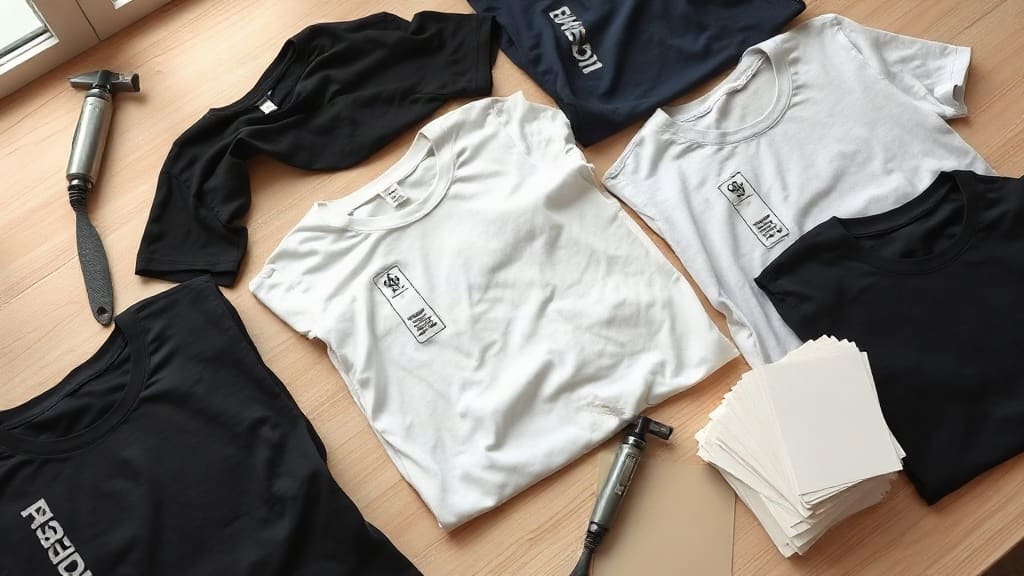
Creating custom shirts that people actually want to wear starts long before you fire up a heat press or screen printer. The foundation of any great custom tee is the blank itself. Choose the wrong blank and even the most brilliant design will feel like a cheap giveaway. Choose the right one and your shirt becomes a walking billboard that people reach for again and again. In this guide, we'll walk through everything you need to know about selecting blanks, preparing artwork, and printing methods that deliver professional results every time.
Why the Blank Shirt Matters More Than You Think
Walk into any promotional products trade show and you'll see thousands of custom shirts. Most of them feel like sandpaper and fit like a box. That's because the decorator cut corners on the blank. A quality blank does three things: it feels good against the skin, it holds up wash after wash, and it provides a smooth canvas that makes your print look sharp. When you're buying blanks for resale or for your own brand, those three factors separate a one-time customer from a repeat buyer.
Fabric: The Building Block of Comfort
Cotton is king for a reason. It's soft, breathable, and takes screen printing and DTG (direct-to-garment) ink beautifully. But not all cotton is created equal. Ringspun cotton, for example, has a smoother, finer feel than standard carded cotton because the fibers are combed and twisted during spinning. That means less pilling and a softer hand. If you're selling premium custom shirts, ringspun is the minimum standard.
Cotton-poly blends (often 50/50 or 60/40) offer durability and reduced shrinkage. They're a favorite for athletic and workwear applications because they wick moisture and resist wrinkles. Tri-blends (cotton, polyester, rayon) deliver a vintage, heathered look that's incredibly soft and popular in retail fashion. The trade-off? Tri-blends can be trickier to print on because the rayon content makes them stretchy. You'll need a low-bleed ink or a dye-migration blocker for best results.
100% polyester is the go-to for performance tees and sublimation printing. It pulls sweat away from the body and holds vibrant colors. However, if you're using a heat press, be careful: polyester can scorch or melt if the temperature is too high. Always test on a spare blank first.
Weight: The Ounces Tell a Story
Fabric weight is measured in ounces per square yard (oz/yd²). Lightweight tees (3.5–4.5 oz) are airy and great for summer or fashion-forward cuts. Midweight (5–5.5 oz) is the sweet spot for most custom shirts because it balances comfort with durability and opacity. Heavyweight (6–7 oz) feels substantial and premium, often used for streetwear or work uniforms. If your design has large areas of solid ink, a heavier blank will support the ink without sagging or showing through.
Fit and Sizing: One Size Does Not Fit All
The fit of your blank determines who will actually wear your shirt. Classic fit is boxy and roomy, good for unisex giveaways. Slim fit is tapered through the chest and waist, popular with younger demographics. Relaxed fit offers a bit more room without being baggy. And then there's the cut: side-seamed versus tubular. Side-seamed shirts have a more tailored look and tend to hold their shape better over time. Tubular shirts are cheaper but can twist after washing.
Always order sample blanks in multiple sizes before committing to a bulk order. Wear them, wash them, and see how they feel after a few cycles. Your customers will notice the difference, and so will your bottom line.
Choosing the Right Printing Method for Your Custom Shirts
Once you've selected the perfect blank, the next step is bringing your design to life. The printing method you choose affects everything from cost per unit to the final look and feel. Here's a breakdown of the most common techniques and when to use them.
Screen Printing: The Industry Standard
Screen printing is the most cost-effective method for large orders of custom shirts with simple designs. It involves pushing ink through a mesh screen onto the fabric. Each color requires its own screen, so the setup cost is higher, but the per-unit cost drops dramatically as quantity increases. It works best on 100% cotton and cotton blends. For photorealistic images or gradients, screen printing becomes expensive and complex. But for bold logos and text, nothing beats its durability and vibrancy.
Direct-to-Garment (DTG): For Detailed Designs
DTG printing works like an inkjet printer for fabric. It sprays water-based ink directly onto the shirt, allowing for full-color, high-detail prints without any setup fees. It's ideal for small batches and one-off designs. However, DTG inks sit on top of the fabric rather than bonding with it, so they can fade faster than screen printing, especially on dark colors. For best results, use 100% cotton blanks with a tight weave. Pre-treatment is often required to help the ink adhere.
Heat Transfer and Vinyl: Quick and Versatile
Heat transfer printing uses a printed transfer sheet that is pressed onto the shirt with a heat press. It's great for small runs and complex designs. Vinyl cutting, on the other hand, is perfect for simple one-color designs like names and numbers. Both methods work on a wide range of fabrics, but they can crack or peel over time if not applied correctly. Always follow the manufacturer's temperature and pressure guidelines.
Embroidery: For a Premium Touch
Embroidery adds texture and a high-end feel to custom shirts, especially on polos and heavyweight tees. It's durable and resistant to fading. However, it's more expensive and requires a digitized file. Also, heavy embroidery on lightweight fabric can cause puckering, so choose a stable blank with some structure.
Preparing Your Artwork for Custom Shirts
Great printing starts with great artwork. Whether you're a designer or a business owner outsourcing the job, you need to understand a few basics. First, vector files (AI, EPS, PDF) are preferred for screen printing and vinyl cutting because they can be scaled infinitely without losing quality. Raster files (JPEG, PNG) are okay for DTG if they're high resolution (300 DPI at the final print size).
Second, consider the color of your blank. If you're printing on dark fabric, you'll need a white underbase for screen printing to make colors pop. For DTG, the printer will automatically lay down a white base. But keep in mind that printing on dark colors can feel thicker. Third, simplify where possible. Too many colors or fine details can drive up costs and lead to production issues.
Sourcing Quality Blanks for Your Custom Shirts
Now that you know what to look for, where do you find reliable blanks? Big brands like Bella+Canvas, Next Level, and Gildan are popular for good reason. They offer consistent sizing, a wide range of colors, and dependable quality. But you don't have to order directly from the manufacturer. Distributors like Buy Smart Blanks specialize in providing these top-tier blanks at wholesale prices, often with fast shipping and no minimum order requirements. That means you can test a few styles before committing to a large inventory.
When sourcing, always check for these details: fabric content, weight, available sizes (including extended sizes), and color fastness. Read reviews from other decorators. And don't be afraid to request samples. A small investment in samples now can save you from a costly mistake later.
Frequently Asked Questions About Custom Shirts
What is the best blank shirt for screen printing?
100% ringspun cotton or a cotton-poly blend with a smooth, tight weave works best for screen printing. Look for blanks that are at least 5 oz/yd² to support the ink without showing through. Bella+Canvas 3001 and Gildan 5000 are popular choices.
How many custom shirts should I order to get a good price?
For screen printing, price breaks typically start at 24 pieces, with significant drops at 48, 72, and 144. For DTG, there's no setup fee, so you can order as few as one, but per-unit cost remains higher than screen printing at large volumes.
Can I print on 100% polyester shirts?
Yes, but you need the right ink and process. Sublimation printing works best on polyester because the ink bonds with the fibers when heated. For screen printing on polyester, use a low-bleed ink or a dye-migration blocker to prevent colors from bleeding over time.
How do I prevent my custom shirts from cracking after washing?
Proper curing is key. For screen printing, ensure the ink reaches the correct curing temperature (usually around 320°F for plastisol). For heat transfer vinyl, follow the recommended time, temperature, and pressure. Also, wash shirts inside out in cold water and tumble dry on low.
Where can I buy high-quality blank shirts in bulk?
Look for authorized distributors of major blank brands. Buy Smart Blanks offers a wide selection of wholesale blanks from top manufacturers, with competitive pricing and fast shipping. They cater to screen printers, embroidery shops, and DIY crafters.
Creating custom shirts that sell is a blend of art and science. By choosing the right blank, mastering your printing method, and sourcing from reliable suppliers, you'll produce shirts that customers love to wear. Start with quality blanks, and the rest will follow.