
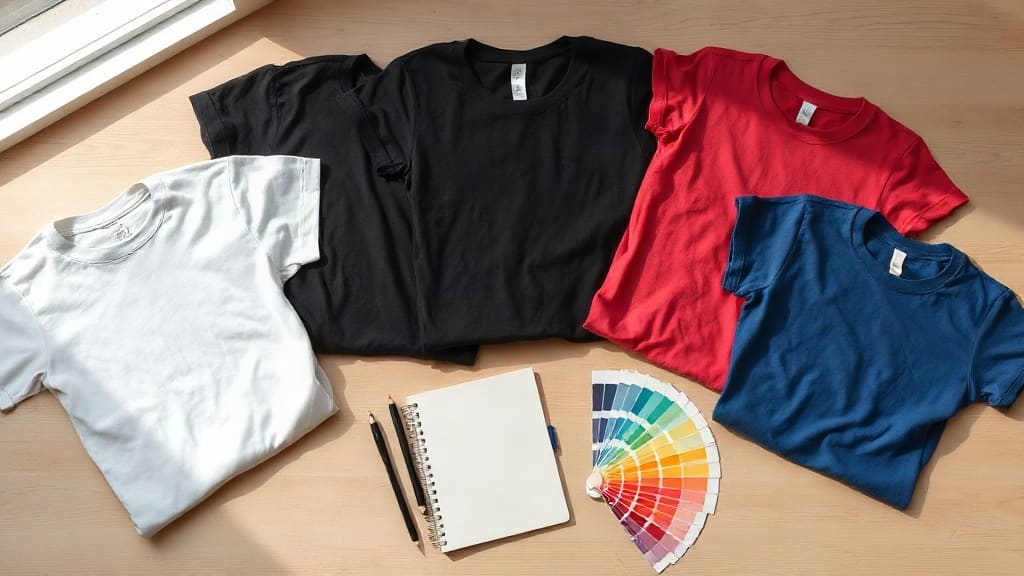
Imagine walking into a room wearing a shirt that perfectly captures your personality, promotes your business, or commemorates a special moment. That's the power of custom shirts. Whether you're a small business owner looking to boost brand recognition, an event organizer wanting to create memorable giveaways, or an individual with a unique design idea, personalized apparel offers endless possibilities. In this guide, we'll walk you through everything you need to know about creating custom shirts, from choosing the right fabric and printing method to designing artwork that resonates. By the end, you'll be ready to turn your vision into wearable art.
Why Custom Shirts Matter More Than Ever
In a world saturated with digital ads, tangible items like custom shirts cut through the noise. They serve as walking billboards, conversation starters, and cherished keepsakes. For businesses, branded apparel builds team unity and increases visibility at events. For individuals, a custom shirt can commemorate a milestone, showcase a hobby, or simply reflect a sense of humor. The key is to approach customization thoughtfully, ensuring the final product looks professional and feels comfortable.
Choosing the Right Blank Shirt for Customization
The foundation of any great custom shirt is the blank itself. Not all blanks are created equal; the fabric, fit, and construction significantly impact how your design looks and how often the shirt gets worn. When sourcing blanks, consider these factors:
- Fabric content: 100% cotton is soft and breathable, ideal for everyday wear. Cotton-poly blends resist shrinking and wrinkles, making them great for activewear or uniforms. Tri-blends offer a vintage, ultra-soft feel.
- Weight: Lightweight (4-5 oz) shirts are cool and comfortable, while heavier (6-7 oz) options feel more durable and premium. Choose based on intended use and climate.
- Fit: From classic to slim to oversized, the cut affects both style and comfort. Order samples to test how the fit works for your audience.
- Color: The shirt color interacts with your design. High-contrast combinations (dark design on light shirt) tend to pop, but subtle tones can create a sophisticated look.
At Buy Smart Blanks, we specialize in providing high-quality blanks from trusted brands like Bella+Canvas, Next Level, and Gildan. Our curated selection ensures you start with a canvas that's worthy of your creativity.
Popular Printing Methods for Custom Shirts
Once you have your blanks, the next step is bringing your design to life. The printing method you choose affects durability, cost, and the overall aesthetic. Here's a breakdown of the most common techniques:
Screen Printing
Screen printing is the go-to for bold, long-lasting designs, especially in bulk orders. It involves pushing ink through a mesh screen onto the fabric. Each color requires a separate screen, so costs rise with complexity. However, for simple designs with 1-3 colors, screen printing offers excellent durability and vibrancy at a low per-unit cost. It's ideal for team uniforms, event merch, and promotional giveaways.
Direct-to-Garment (DTG) Printing
DTG printing works like a specialized inkjet printer for textiles. It's perfect for full-color, photographic designs with intricate details. Because there's no setup cost, DTG is cost-effective for small batches and one-off custom shirts. The ink bonds with the fabric fibers, resulting in a soft feel. However, DTG works best on 100% cotton and may fade slightly faster than screen printing over many washes.
Heat Transfer Vinyl (HTV)
HTV involves cutting a design from colored vinyl and heat-pressing it onto the shirt. It's great for simple shapes, text, and numbers. HTV offers a slightly raised, matte finish and comes in various colors, including metallics and glow-in-the-dark. It's a favorite for personalizing sportswear and single shirts because it requires minimal equipment.
Embroidery
For a premium, professional look, embroidery adds texture and depth. It's commonly used for corporate logos, polos, and hats. While embroidery has a higher upfront cost due to digitization, it delivers unmatched durability and a high-end feel. Keep in mind that very fine details may not translate well, so simplify your design for best results.
Design Tips for Custom Shirts That Impress
Creating a design that looks great on screen and on fabric requires some forethought. Follow these guidelines to ensure your custom shirts turn out perfectly:
- Keep it simple: Cluttered designs can look messy on a shirt. Focus on a clear message or image.
- Consider placement: The left chest, full front, back, and sleeves are popular locations. Think about how the design interacts with seams and folds.
- Use high-resolution artwork: Vector files (AI, EPS, PDF) are ideal for screen printing and HTV. For DTG, 300 DPI PNGs work well.
- Mind the color contrast: Ensure your design stands out against the shirt color. If in doubt, order a sample or use our mockup generator.
- Test fonts and sizes: Small text can become illegible, especially with embroidery. Use bold, sans-serif fonts for clarity.
Sourcing Custom Shirts: What to Look For
Whether you're ordering for a business, event, or personal use, choosing the right supplier is crucial. Look for a partner that offers:
- Wide blank selection: A variety of styles, colors, and sizes from reputable brands.
- Sample orders: The ability to order a single shirt to test quality and fit before committing to bulk.
- Bulk discounts: Competitive pricing that scales with quantity.
- Fast turnaround: Reliable production and shipping times, especially for time-sensitive events.
- Customer support: Knowledgeable staff who can answer questions about printing methods and artwork preparation.
At Buy Smart Blanks, we pride ourselves on offering all of the above. Our team is dedicated to helping you create custom shirts that exceed expectations.
Cost Factors for Custom Shirts
Budgeting for custom apparel involves more than just the cost per shirt. Here are the main factors that influence the final price:
- Quantity: Larger orders benefit from economies of scale, reducing the per-unit cost.
- Printing method: Screen printing has setup fees but low per-unit costs for bulk; DTG has no setup but higher per-unit costs.
- Number of colors: More colors mean more screens or more ink, increasing cost.
- Shirt quality: Premium blanks cost more but offer better comfort and durability.
- Additional services: Folding, bagging, or tagging add to the price but can streamline distribution.
To get an accurate quote, always share your design, quantity, and deadline with your supplier.
Common Mistakes to Avoid with Custom Shirts
Even seasoned buyers can slip up. Watch out for these pitfalls:
- Not ordering a sample: Colors and sizes can vary from what you see online.
- Ignoring fabric care: Some printing methods require specific washing instructions to maintain longevity.
- Last-minute ordering: Rush fees and shipping delays can derail your plans.
- Overcomplicating the design: Simpler designs often look more professional and cost less.
- Forgetting about sizing: Offer a range of sizes to accommodate your audience.
Frequently Asked Questions About Custom Shirts
How do I choose the best printing method for my custom shirts?
It depends on your design complexity, quantity, and budget. For bold, simple designs in bulk, screen printing is cost-effective and durable. For detailed, full-color designs in small quantities, DTG is ideal. HTV works well for simple text and numbers, while embroidery adds a premium touch for logos.
Can I order just one custom shirt?
Absolutely. Many suppliers, including Buy Smart Blanks, offer single-piece orders using DTG or HTV. This is perfect for personal projects or testing a design before a larger run.
What file format should I use for my design?
Vector files (AI, EPS, PDF) are best for screen printing and HTV because they can be scaled without losing quality. For DTG, high-resolution PNG (300 DPI) with a transparent background works well. If you only have a JPEG, it can often be converted, but some detail may be lost.
How long do custom shirts last?
With proper care, custom shirts can last for years. Screen-printed and embroidered designs are the most durable. DTG prints may fade slightly over time, especially if washed in hot water or dried on high heat. Always follow the care instructions provided by your printer.
Do you offer bulk discounts for custom shirts?
Yes, most suppliers offer tiered pricing based on quantity. The more you order, the lower the per-unit cost. Contact your supplier for a custom quote tailored to your order size.
Ready to Create Your Custom Shirts?
Custom shirts are more than just apparel; they're a medium for expression, promotion, and connection. By understanding the nuances of blanks, printing methods, and design, you can create shirts that people will love to wear. Whether you're ordering one or one thousand, the right partner makes all the difference. Explore our collection of premium blanks at Buy Smart Blanks and start your custom shirt journey today.