
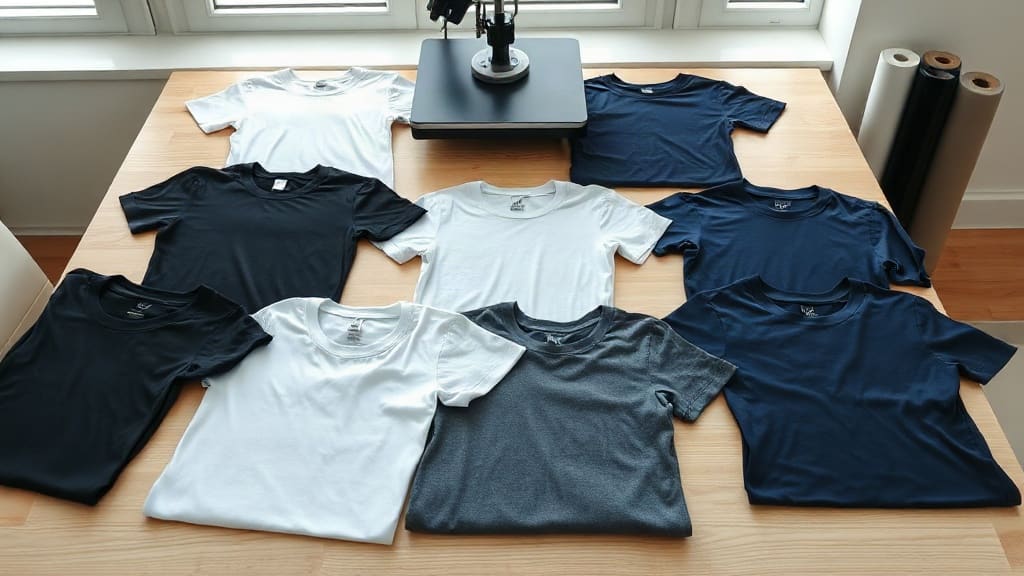
Creating custom shirts is more than just a fun DIY project; it's a way to express identity, promote a brand, or commemorate an event. Whether you're a small business owner looking to outfit your team, a event organizer planning merchandise, or simply someone who wants a unique tee, the process can be both rewarding and tricky. With so many options for blanks, printing techniques, and design tools, it's easy to feel overwhelmed. This guide will walk you through everything you need to know to make informed decisions and produce shirts you'll be proud to wear or sell.
Why Custom Shirts Matter
Custom shirts serve many purposes. They can unify a team, advertise a business, celebrate a milestone, or simply let you wear your personality. Unlike mass-produced apparel, custom shirts tell a story. They show that thought and care went into their creation. For businesses, branded shirts increase visibility and professionalism. For individuals, they're a canvas for creativity. And with the rise of online tools, designing your own shirt has never been easier.
Choosing the Right Blank T-Shirt
The foundation of any great custom shirt is the blank itself. Not all blanks are created equal, and the right choice depends on your intended use, budget, and desired feel.
Fabric and Weight
Cotton is the most popular fabric for custom shirts due to its comfort and breathability. However, cotton comes in various weights, measured in ounces per square yard (oz/yd²). Lighter fabrics (around 4.0–4.5 oz) are soft and airy, ideal for warm climates and casual wear. Heavier fabrics (5.5–6.5 oz) are more durable and hold their shape better, making them great for work shirts or retail merchandise. You'll also find blends like cotton-polyester, which combine the softness of cotton with the durability and wrinkle resistance of polyester. Tri-blends (cotton, polyester, rayon) offer a vintage, ultra-soft feel but may shrink more.
Fit and Style
Consider the fit: classic, slim, relaxed, or oversized. The cut affects both comfort and the final look of your design. For example, a slim-fit shirt might distort a large graphic, while a boxy tee can make a small logo look lost. Also think about necklines: crew neck is standard, but V-necks and scoop necks offer different aesthetics. Sleeve length matters too; short sleeve is typical, but long sleeve or 3/4 sleeve can suit cooler weather or specific styles.
Color and Quality
Color choice impacts design visibility. Light-colored shirts make dark prints pop, while dark shirts require lighter inks or special techniques. Quality is crucial: cheap blanks may shrink, fade, or pill after a few washes. Look for ringspun cotton, which is softer and more durable than carded cotton. Also check for pre-shrunk fabrics to minimize surprises. Reputable blank suppliers like those you'd find on Buy Smart Blanks offer detailed specs, so you can compare.
Printing Methods for Custom Shirts
Once you've chosen your blank, the next big decision is the printing method. Each technique has its strengths and weaknesses, and the best choice depends on your design complexity, quantity, and budget.
Screen Printing
Screen printing is the most common method for bulk orders. It involves creating a stencil (screen) for each color in your design, then pushing ink through the mesh onto the fabric. It's cost-effective for large runs because the setup cost is spread across many shirts. However, it's less economical for small batches due to setup fees, and it works best with simple, bold designs with few colors. Screen printing produces vibrant, long-lasting prints that can withstand many washes.
Direct-to-Garment (DTG) Printing
DTG printing is like an inkjet printer for fabric. It's ideal for small orders and complex, full-color designs with gradients and fine details. There's no setup cost, so you can print one shirt or a hundred. However, DTG prints may not be as durable as screen printing, especially on dark fabrics, where a pretreatment is needed. The ink sits on top of the fabric, so it can fade over time. Still, for photo-realistic images or small batches, DTG is a great option.
Heat Transfer Vinyl (HTV)
HTV is a popular choice for DIYers and small businesses. You cut a design from a sheet of vinyl using a cutting machine, then use a heat press to adhere it to the shirt. It's great for simple text, numbers, and single-color logos. HTV comes in many colors and finishes (matte, glossy, metallic, glitter), and it's durable if applied correctly. However, it's not ideal for complex multi-color designs, and layering vinyl can make the print stiff.
Other Methods
There's also sublimation, which infuses dye into polyester fabric for a no-feel print, but it only works on light-colored poly shirts. Embroidery is another option, adding a premium, textured look, but it's more expensive and not suitable for fine details. Choose based on your design and wearer preferences.
Designing Your Custom Shirts
Design is where your creativity shines. But good design isn't just about aesthetics; it's about functionality and printability.
Keep It Simple
Less is often more. A clean, simple design is more memorable and easier to print. Avoid overly complex images with thin lines or small text, as they may not reproduce well. Use high-contrast colors for readability. If you're not a designer, tools like Canva or Adobe Express offer templates and easy drag-and-drop interfaces.
Consider Placement and Size
Standard placement is centered on the chest, about 2-3 inches below the collar. But you can also place designs on the back, sleeves, or even all-over. Size matters: a design that's too small looks lost, too large can be overwhelming. For left-chest prints, a width of 3-4 inches is typical; for full-front, 10-12 inches wide is common. Always check the print area dimensions for your chosen blank and printing method.
Color Theory and Contrast
Ensure your design colors contrast with the shirt color. Dark ink on dark fabric won't show well unless you use a white underbase (in screen printing) or specialized techniques. For DTG on dark shirts, a white underbase is printed first, but it can make the print feel thicker. Test your color combinations using online mockup tools before committing.
Step-by-Step: Creating Your Custom Shirts
Ready to make your own? Follow these steps for a smooth process.
- Define your purpose and budget: Are these for a one-time event or ongoing merchandise? This will guide your choices.
- Choose your blank: Select fabric, fit, color, and quantity. Order samples if possible to test quality.
- Create your design: Use design software or hire a designer. Save your file in a high-resolution format (300 DPI or vector).
- Select a printing method: Based on design complexity, quantity, and budget.
- Find a printer or DIY: If outsourcing, get quotes from multiple printers. If DIY, gather supplies (heat press, vinyl, etc.).
- Approve a proof: Always request a digital or physical proof before full production.
- Print and press: Follow the printer's instructions for curing and washing.
- Quality check: Inspect each shirt for defects before distributing.
Common Mistakes to Avoid
Even seasoned creators make mistakes. Here are pitfalls to watch for:
- Ignoring fabric content: Printing on the wrong fabric can lead to poor adhesion or fading. For example, sublimation only works on polyester.
- Using low-resolution images: Pixelated prints look amateur. Always use high-res files.
- Forgetting about wash care: Inform end-users to wash inside out in cold water and avoid ironing directly on the print.
- Underestimating costs: Factor in shipping, taxes, and potential reprints.
- Not testing: Always do a sample run before mass production.
Frequently Asked Questions
How do I choose the best blank t-shirt for custom printing?
Consider fabric weight, blend, and intended use. For everyday wear, a 100% ringspun cotton tee in the 4.5–5.5 oz range is versatile. For performance, try a polyester blend. Always order a sample to test printability and comfort.
What's the most durable printing method for custom shirts?
Screen printing is generally the most durable, especially for bold designs. It creates a thick ink layer that withstands repeated washing. For complex designs, DTG with proper curing can also last long, but may fade faster than screen printing.
Can I print on dark-colored shirts with DTG?
Yes, but DTG on dark shirts requires a white underbase, which adds a layer and can make the print feel thicker. The colors may appear slightly muted compared to printing on light shirts. For best results, choose designs with high contrast.
How much does it cost to make custom shirts?
Costs vary widely. Blank shirts can range from $3 to $15 each, depending on quality. Printing costs depend on method and quantity: screen printing setup fees can be $20–$50 per color, plus $1–$5 per print. DTG typically costs $5–$15 per shirt with no setup. Always get quotes for your specific project.
What file format should I use for my design?
Vector files (AI, EPS, PDF) are ideal because they scale without losing quality. If using raster images (JPG, PNG), ensure they are at least 300 DPI at the final print size. Avoid low-resolution files.
With these insights, you're well on your way to creating custom shirts that stand out. Remember, the key is to balance quality, cost, and creativity. Whether you're printing one or one thousand, the right approach will yield results you'll love.