
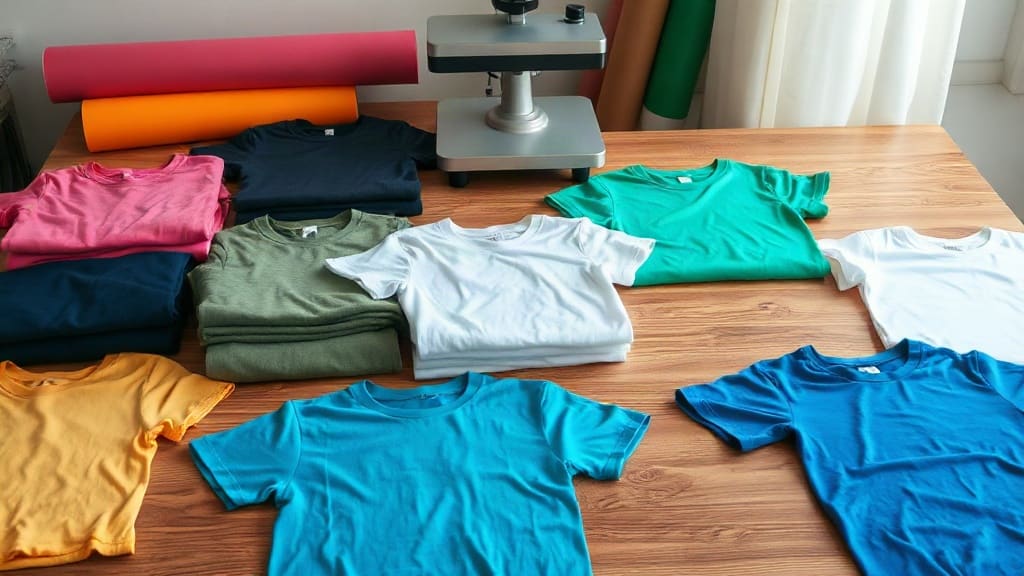
Creating custom shirts is more than just a creative outlet; it's a powerful way to express your brand, commemorate an event, or simply wear something uniquely yours. Whether you're a small business owner looking to outfit your team, an event organizer planning merchandise, or an individual with a passion for design, the process can seem overwhelming. But with the right knowledge, you can turn a simple idea into a wearable masterpiece. This guide will walk you through everything you need to know, from selecting the perfect blank to choosing the best printing method and finalizing your design. By the end, you'll have the confidence to bring your vision to life.
Why Custom Shirts Matter
In a world where personalization is key, custom shirts offer a unique blend of practicality and self-expression. They serve as walking billboards for your business, unifying your team and making your brand recognizable. For events like family reunions, bachelorette parties, or charity runs, they create a sense of belonging and serve as lasting keepsakes. Even as everyday wear, a custom shirt lets you showcase your personality, humor, or artistic taste. Unlike mass-produced apparel, custom shirts tell a story, and that story is yours.
Choosing the Right Blank Shirt
The foundation of any great custom shirt is the blank itself. The fabric, fit, and quality of the blank will determine how your design looks and feels. At Buy Smart Blanks, we offer a wide range of high-quality blanks to suit every need.
Fabric Matters
Cotton is the most popular choice for its softness, breathability, and ability to hold ink well. Ring-spun cotton is even softer and smoother, making it ideal for detailed designs. For a more durable option, consider a cotton-polyester blend, which resists shrinking and wrinkling. Tri-blends (cotton, polyester, and rayon) offer a vintage, ultra-soft feel that's perfect for retail-style shirts. If you're looking for performance wear, moisture-wicking fabrics are great for activewear or outdoor events.
Fit and Style
Consider your audience: are you printing for a corporate team, a group of friends, or a retail customer? Classic fit t-shirts are universally flattering, while slim fit offers a modern, tailored look. For a relaxed vibe, go with a unisex crew neck. Women's cuts provide a more feminine silhouette. Also think about sleeve length (short, long, or 3/4), neckline (crew, V-neck, scoop), and whether you want a pocket or not. The right fit ensures your shirt gets worn again and again.
Printing Methods Explained
Once you've chosen your blank, it's time to decide how to apply your design. Each printing method has its own strengths and ideal use cases.
Screen Printing
Screen printing is the most common method for bulk orders. It involves creating a stencil (screen) for each color in your design and pushing ink through it onto the fabric. It's cost-effective for large quantities, offers vibrant colors, and can be used on a variety of fabrics. However, it's less economical for small runs because of setup costs, and complex designs with many colors can get pricey.
Direct-to-Garment (DTG) Printing
DTG printing works like a specialized inkjet printer for shirts. It's perfect for small orders, detailed designs, and full-color images. There's no setup cost, so you can print one shirt or one hundred. The ink is water-based and sits on top of the fabric, so it works best on 100% cotton. The print may fade slightly over time, but it's a great option for photographic designs or gradients.
Heat Transfer Vinyl (HTV)
HTV is a great DIY option. You cut your design from a sheet of vinyl, weed out the excess, and press it onto the shirt with a heat press. It's ideal for simple text, numbers, and single-color logos. It's durable and comes in many colors and finishes (matte, glossy, metallic, glitter). However, it's not suitable for complex, multi-color designs.
Embroidery
For a premium, professional look, embroidery is the way to go. It's often used for corporate apparel, polos, and hats. The design is stitched directly into the fabric, giving it a high-end feel. Embroidery is durable and withstands repeated washing. Keep in mind that very fine details may not translate well, and it's generally more expensive than printing.
Design Tips for Custom Shirts
Your design is the heart of your custom shirt. Here are some tips to make it shine.
- Keep it simple: A clean, uncluttered design is more impactful and easier to print. Avoid too many elements.
- Use high-resolution files: Vector files (AI, EPS) are best for screen printing and embroidery. For DTG, a high-res PNG (300 DPI) works well.
- Consider placement: The left chest, full front, and back are classic spots. But don't be afraid to experiment with sleeves, pockets, or even all-over prints.
- Think about color contrast: Ensure your design stands out against the shirt color. Light design on dark shirt, dark design on light shirt.
- Proofread: Typos happen. Double-check all text before finalizing.
Ordering and Quality Control
When ordering custom shirts, always request a sample or digital proof before committing to a large run. This allows you to check colors, placement, and print quality. If you're working with a printer, communicate clearly about your expectations and deadlines. At Buy Smart Blanks, we ensure our blanks meet strict quality standards, so your finished product looks great and lasts.
Care and Maintenance
To keep your custom shirts looking new, always wash them inside out in cold water and tumble dry on low. Avoid ironing directly on the print; if needed, iron inside out. Following these simple steps will extend the life of your design.
Frequently Asked Questions
What is the best fabric for custom shirts?
It depends on the intended use. 100% cotton is soft and breathable, ideal for everyday wear. Cotton-poly blends are durable and resist wrinkles, great for activewear. Tri-blends offer a vintage feel. Consider the printing method too: DTG works best on 100% cotton, while screen printing works on many fabrics.
How many colors can I use in my design?
With screen printing, each color requires a separate screen, so costs increase with more colors. For DTG or heat transfer, you can use unlimited colors at no extra cost. Embroidery typically uses up to 15 thread colors. Choose based on your budget and design complexity.
Can I print on dark shirts?
Yes, but not all methods work equally. Screen printing requires a white underbase for vibrant colors on dark fabrics. DTG also uses a white underbase. Heat transfer vinyl works well on dark shirts if you use opaque vinyl. Embroidery looks great on dark colors with contrasting thread.
How do I ensure my design is centered correctly?
Most printers use placement guides: typically 3-4 inches down from the collar for left chest, and centered horizontally. For full front, it's usually 2-3 inches down from the collar. Always request a sample to confirm placement.
What file format should I provide?
Vector files (AI, EPS, PDF) are best for screen printing and embroidery because they can be scaled without losing quality. For DTG, a high-resolution PNG (300 DPI) with a transparent background is ideal. If you only have a JPEG, it may need to be vectorized, which can incur extra fees.