
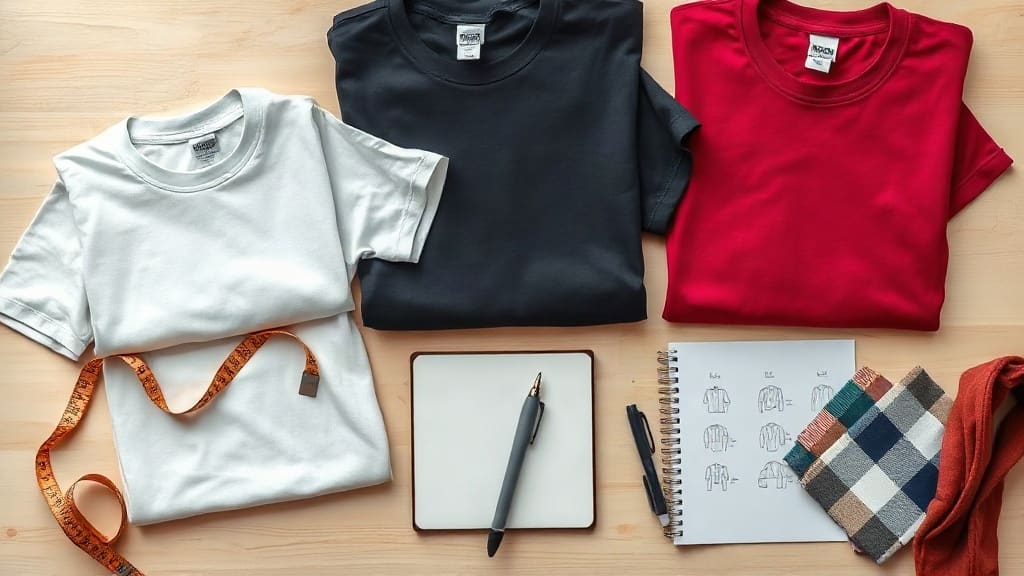
When you need Custom Shirts for your team, event, or business, the options can feel overwhelming. Should you choose screen printing or embroidery? What fabric holds up best? How do you avoid common mistakes that lead to wasted money and disappointing results? This guide cuts through the noise with practical advice drawn from years of helping businesses and organizations get their apparel right the first time.
Why Custom Shirts Matter More Than You Think
A shirt is more than fabric and ink. It's a walking billboard, a team unifier, and often the first impression someone gets of your brand. Whether you're outfitting a restaurant staff, a sports team, or a corporate event, the quality of your Custom Shirts speaks volumes. Cheap, ill-fitting shirts can send the wrong message, while well-made ones boost morale and brand recognition.
Beyond branding, custom apparel solves practical problems. High-visibility shirts keep workers safe. Moisture-wicking polos keep teams comfortable. And a unified look builds a sense of belonging that employees and customers notice.
Choosing the Right Fabric for Your Custom Shirts
Fabric choice affects comfort, durability, and how your design looks. Here's what to consider:
- 100% Cotton: Soft, breathable, and takes screen printing well. Ideal for casual wear and retail-style shirts. It can shrink, so pre-shrunk options are worth the extra cost.
- Cotton/Poly Blend: The workhorse of custom apparel. Resists wrinkles and shrinkage, holds color well, and is budget-friendly. Great for uniforms and promotional giveaways.
- 100% Polyester: Moisture-wicking and durable. Best for athletic wear and performance shirts where sweat management matters.
- Tri-Blend: A mix of cotton, polyester, and rayon. Ultra-soft with a vintage look. Popular for retail and fashion-forward brands, but pricier.
Think about how the shirt will be used. A shirt worn daily in a hot kitchen needs different properties than one worn once at a conference. When in doubt, request fabric swatches before committing to a large order.
Printing Methods: Which One Fits Your Project?
The method you choose impacts cost, durability, and design possibilities. Here's a breakdown of the most common options:
Screen Printing
The classic choice for bold, long-lasting designs. Each color requires a separate screen, so costs go down as quantity goes up. Ideal for large orders with simple designs. It creates a thick layer of ink that can crack over time if not cared for properly.
Direct-to-Garment (DTG)
Best for detailed, full-color designs and small batches. DTG prints directly onto the fabric like an inkjet printer. No minimums, but the print may fade faster than screen printing and works best on 100% cotton.
Embroidery
Adds a premium, professional look. Perfect for logos on polos, jackets, and hats. It's durable and withstands repeated washing. However, complex gradients and tiny text don't translate well. Embroidery costs more per piece but elevates perceived value.
Heat Transfer / Vinyl
Great for names and numbers on sports jerseys. Vinyl is durable but can feel stiff. Heat transfers can reproduce complex designs but may peel if not applied correctly. Best for small runs or personalized items.
Consider your design complexity, order size, and budget. For a 500-piece event shirt with a three-color logo, screen printing wins. For 20 shirts with a photo-realistic image, DTG is your friend.
How to Prepare Your Artwork for Custom Shirts
Garbage in, garbage out. Your printer needs high-quality artwork to produce a sharp result. Vector files (AI, EPS, PDF) are ideal because they scale without losing quality. If you only have a JPEG or PNG, make sure it's at least 300 DPI at the final print size. Avoid images pulled from websites, as they're often low-resolution and will look pixelated.
Also, think about placement. Left chest, full front, back, sleeve? Provide a mockup showing exactly where the design should go. Most printers offer a digital proof before production, so review it carefully. Check spelling, colors, and dimensions. Catching a typo now saves a costly reprint later.
Ordering Custom Shirts: A Step-by-Step Checklist
- Define your goal: Are these for a one-time event, daily uniforms, or retail sale? This shapes everything else.
- Set a budget: Include the cost of shirts, printing, shipping, and any rush fees. Remember that larger orders lower the per-unit cost.
- Choose your shirt style: T-shirt, polo, button-down, performance tee? Consider fit (men's, women's, youth) and size range.
- Select fabric and color: Match to the intended use and your brand colors. Order samples if possible.
- Pick a printing method: Based on design, quantity, and budget.
- Prepare artwork: High-resolution, correct format, with placement instructions.
- Request a quote and proof: Compare at least two vendors. Review the proof thoroughly.
- Approve and order: Confirm lead times and delivery date. Factor in production time, especially for large orders.
- Inspect upon delivery: Check quantities, sizes, and print quality. Report issues immediately.
Following these steps reduces stress and ensures you get exactly what you envisioned.
Common Mistakes to Avoid with Custom Shirts
Even seasoned buyers slip up. Here are pitfalls to sidestep:
- Ordering too few (or too many): Aim for 5-10% extra to account for sizing issues or damages. But don't overorder if the design is event-specific.
- Ignoring size distribution: Most groups need more medium and large than small or XXL. Survey your group if possible.
- Choosing the cheapest option: Low-cost shirts may shrink, fade, or feel rough. They can cost more in the long run when you have to replace them.
- Skipping the proof: Always review a digital or physical proof. Colors can look different on screen than on fabric.
- Last-minute ordering: Rush fees add up. Start the process at least 3-4 weeks before your deadline.
Learning from others' mistakes saves you time and money.
Where to Buy Custom Shirts
You have options: local print shops, online custom apparel companies, and wholesale blank suppliers that also offer decorating. Each has pros and cons. Local shops often provide personalized service and faster turnaround for small orders. Online companies may offer lower prices and easier design tools but can lack the human touch. Wholesale suppliers like Buy Smart Blanks give you access to quality blanks at competitive prices, and many offer printing services or can recommend trusted decorators.
When evaluating a supplier, check reviews, ask for samples, and clarify their return policy. A reliable partner will answer questions promptly and guide you through the process.
Frequently Asked Questions About Custom Shirts
How long does it take to get custom shirts made?
Typical turnaround is 2-3 weeks after artwork approval, but it can vary by method and quantity. Screen printing large orders may take longer, while DTG can be faster for small runs. Always confirm lead times before ordering, and add buffer for shipping.
What's the minimum order for custom shirts?
It depends on the printing method. Screen printing often requires a minimum of 12-24 pieces per design. DTG and heat transfer can be done as single pieces. Embroidery usually has a minimum of 6-12 pieces. Check with your vendor.
Can I mix sizes and colors in one order?
Yes, most suppliers allow you to mix sizes within the same design and shirt style. Mixing colors may incur additional setup fees for screen printing because each color requires a separate screen. For DTG, color changes are usually free.
How should I care for my custom shirts to make them last?
Wash inside out in cold water, use mild detergent, and avoid fabric softener. Tumble dry low or hang dry. For screen-printed and DTG shirts, avoid ironing directly on the print. Embroidery is more forgiving but still benefits from gentle care.
What if I'm not happy with the final product?
Reputable suppliers will work with you to resolve issues. If the mistake is theirs (wrong color, misprint, incorrect sizes), they should reprint or refund. If the error is yours (typo in artwork you approved), you may have to pay for a redo. Always review the proof carefully.
With the right preparation and a trusted partner, your Custom Shirts project can be a smooth, rewarding experience. Start early, communicate clearly, and don't settle for less than quality that represents your brand well.