
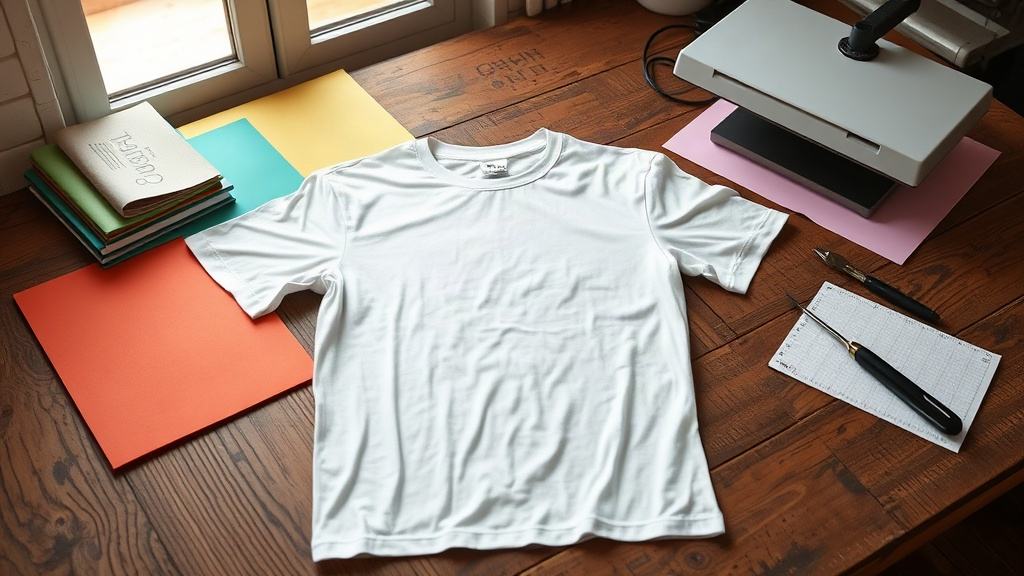
Turning a plain t-shirt into a wearable piece of art is one of the most satisfying DIY projects you can take on. Whether you want to promote your band, design a family reunion shirt, or launch a small clothing brand, the process starts with understanding your options. This guide walks you through everything you need to know about custom shirts, from selecting the right blank to choosing a printing method that matches your budget and skill level.
Why Custom Shirts Are More Than a Trend
Custom apparel has moved far beyond tourist shops and corporate giveaways. People wear their identities on their sleeves, quite literally. A well-made custom shirt can express humor, support a cause, commemorate an event, or simply show off a design you love. For small businesses, it is a walking billboard that costs far less than traditional advertising. For hobbyists, it is a canvas that never goes out of style.
The rise of affordable heat presses and printable transfer papers has made it possible for anyone with a home office to produce professional-looking garments. But not all custom shirts are created equal. The difference between a shirt that survives two washes and one that lasts for years comes down to three factors: the blank you choose, the printing method, and the care you take during production.
Choosing the Right Blank T-Shirt
Before you think about ink or vinyl, you need a shirt worth printing on. Not all blanks are the same, and the wrong choice can sabotage even the best design.
Fabric Content Matters
100% cotton is the most popular choice for custom shirts because it takes screen printing and heat transfer vinyl (HTV) beautifully. It feels soft, breathes well, and holds vibrant colors. However, cotton can shrink and wrinkle. Cotton-poly blends resist shrinking and wrinkles, making them great for everyday wear, but they can be tricky with certain inks. Tri-blends (cotton, polyester, rayon) offer a vintage, super-soft feel and drape, but they require low-temperature application to avoid scorching.
Weight and Weave
Shirt weight is measured in ounces per square yard. A 4.0 to 4.5 oz shirt is lightweight and airy, ideal for summer or athletic use. A 5.0 to 5.5 oz shirt is the standard for most retail tees, offering a good balance of durability and comfort. Heavyweight 6.0 oz and above are sturdy and opaque, perfect for workwear or streetwear styles. The weave also affects printability: tighter knits produce smoother print surfaces, while open knits can let ink bleed.
Fit and Color
Think about your audience. Unisex cuts are versatile, but women's fitted tees and youth sizes can make your offering more inclusive. For color, remember that printing on dark fabrics often requires a white underbase for bright colors to pop. If you are using heat transfer vinyl, light colors show up best on dark shirts, while dark vinyl on light shirts creates high contrast.
Printing Methods for Custom Shirts: Which One Is Right for You?
There is no single best method. The right choice depends on your design complexity, quantity, budget, and how much time you want to invest.
Heat Transfer Vinyl (HTV)
HTV is the go-to for beginners. You cut your design from a sheet of vinyl using a cutting machine (like a Cricut or Silhouette), weed away the excess, and press it onto the shirt with a heat press or iron. It works great for simple one-color designs, text, and numbers. HTV is durable if applied correctly, but it can peel if stretched or washed improperly. It is ideal for small batches and personalized gifts.
Screen Printing
Screen printing is the industry standard for bulk orders. It involves creating a stencil (screen) for each color in your design, then pushing ink through the mesh onto the shirt. It offers unmatched durability and vibrant, opaque colors. The downside is setup cost and time: each color requires a separate screen, so it is most economical for runs of 12 or more. If you plan to sell shirts, screen printing gives you the most professional finish.
Direct-to-Garment (DTG)
DTG printers work like inkjet printers for fabric. They spray water-based ink directly onto the shirt, allowing for full-color, photographic designs without setup fees. DTG is perfect for small batches of complex art. However, the ink sits on top of the fabric, so it may fade faster than screen printing, and it works best on 100% cotton. Pre-treatment is often required for dark shirts.
Sublimation
Sublimation uses heat to turn solid dye into gas, which bonds with polyester fibers. The result is a permanent, feel-free print that will never crack or peel. The catch: it only works on light-colored polyester or poly-coated substrates. If you want all-over prints on performance wear, sublimation is your best bet.
Step-by-Step: Creating Your First Custom Shirt
Ready to make your first shirt? Follow this simple workflow to avoid common pitfalls.
- Design your artwork. Use vector software like Adobe Illustrator or free tools like Inkscape. Keep text at least 12 points for readability. For HTV, remember to mirror your design before cutting.
- Choose your blank. Order a few sample shirts in different fabrics and fits to test. Buy Smart Blanks offers a wide range of wholesale blanks perfect for testing.
- Prep your workspace. You need a clean, flat surface, a heat press or iron, and parchment paper or a Teflon sheet to protect the shirt.
- Apply your design. Follow the temperature and time recommendations for your specific material. For HTV, typical settings are 305°F for 10-15 seconds with medium pressure.
- Press and peel. Let the shirt cool completely before peeling the carrier sheet (for hot peel vinyl, peel immediately). Then do a second press for 5 seconds to seal the edges.
- Wash and care. Wait 24 hours before washing. Turn the shirt inside out and use cold water. Avoid fabric softener and tumble dry low or hang dry.
Common Mistakes to Avoid with Custom Shirts
- Using the wrong side of HTV. Always place the glossy carrier sheet facing up.
- Not pre-pressing the shirt. A quick press removes moisture and wrinkles for a smoother application.
- Over-stretching the shirt. This can cause the vinyl to crack. Press on a firm surface and avoid pulling the fabric.
- Ignoring care instructions. Even the best print will fail if you wash it in hot water or dry on high heat.
- Choosing the wrong blank for the method. Sublimation on cotton is a no-go; DTG on dark polyester often disappoints.
Frequently Asked Questions About Custom Shirts
How much does it cost to make custom shirts?
Costs vary widely. A blank t-shirt can range from $3 to $15 depending on quality. HTV adds about $1 to $3 per shirt for materials. Screen printing setup runs $20 to $50 per color, plus $1 to $5 per print. For a one-off shirt, expect to spend $15 to $30 total. Bulk orders bring the per-unit cost down significantly.
Can I print custom shirts at home without a heat press?
Yes, you can use a household iron, but it is less reliable. Irons have uneven heat and require firm pressure. For best results, invest in a heat press. Entry-level presses cost around $150 and pay for themselves after a few projects.
What is the best way to wash custom shirts?
Turn the shirt inside out, wash in cold water with mild detergent, and avoid bleach and fabric softener. Tumble dry on low or hang dry. This will keep the print looking new for years.
How do I choose the right size for my custom shirt design?
Print size depends on placement. A standard front chest print is about 8 to 10 inches wide. A full back print can be 12 to 14 inches wide. For left chest logos, 3 to 4 inches is typical. Always measure your shirt and test with a paper printout before committing.
Can I mix different printing methods on one shirt?
Absolutely. Many professional shops combine screen printing and HTV for special effects, like a screen-printed base with a metallic vinyl accent. Just ensure the methods are compatible with the fabric and with each other.
Ready to Start Your Custom Shirt Project?
The world of custom shirts is welcoming and full of possibilities. Start with a simple design, choose a quality blank, and practice your technique on a few test shirts. Before long, you will be creating wearable art that people ask about. And when you are ready to scale up, remember that the right blank makes all the difference. Visit Buy Smart Blanks to explore high-quality wholesale options that will make your custom shirts stand out.