
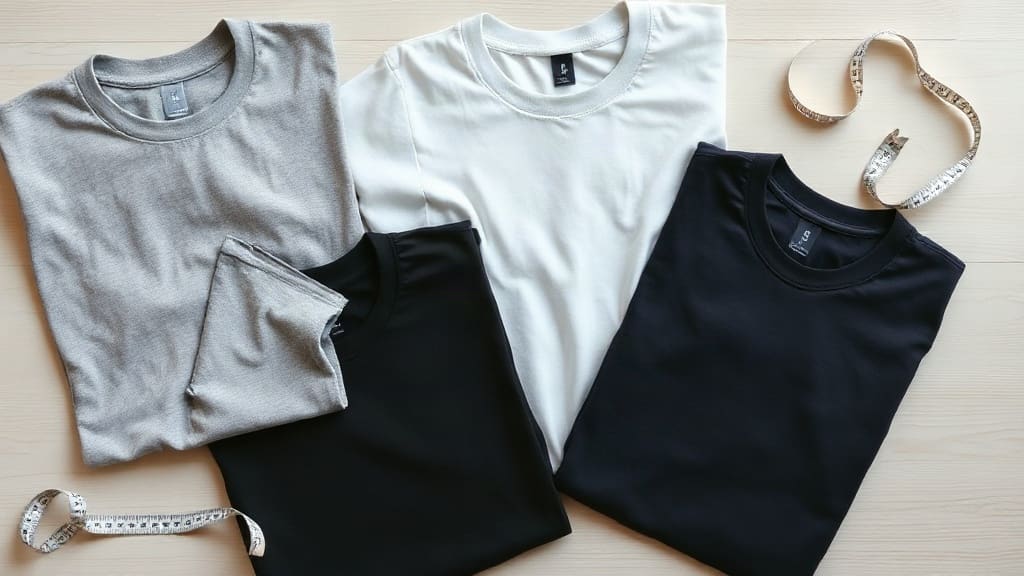
When you decide to create your own apparel, whether for a personal project, a brand, or a special event, the foundation of your success lies in the blank canvas you choose. Not all t-shirts are created equal, and selecting the right Custom Premium Tee blank can make the difference between a garment that feels luxurious and lasts for years, and one that disappoints after a single wash. This guide will walk you through everything you need to know to make an informed decision, from understanding fabric specifications to matching the right printing method with your design.
Why Premium Blanks Matter for Your Custom Tee
Premium blanks are the unsung heroes of custom apparel. They offer superior comfort, durability, and printability compared to standard or economy blanks. When you invest in a high-quality blank, you're not just paying for a better fabric; you're investing in the overall experience your customers or recipients will have. A premium tee holds its shape, resists pilling, and provides a smooth surface that makes prints look vibrant and professional. Whether you're launching a clothing line or creating promotional merchandise, the blank you choose speaks volumes about your attention to detail and commitment to quality.
Fabric Composition: The Heart of Your Tee
The fabric composition is the most critical factor in determining how your custom premium tee will feel and perform. Here are the most common options:
- 100% Cotton: The classic choice. It's breathable, soft, and takes prints well. However, it can shrink and wrinkle. Look for combed or ring-spun cotton for extra softness.
- Cotton/Polyester Blends: Often 50/50 or 60/40. These blends combine the comfort of cotton with the durability and wrinkle resistance of polyester. They tend to be more affordable and hold up well over time.
- Tri-Blends: A mix of cotton, polyester, and rayon. These are incredibly soft, have a vintage heathered look, and drape beautifully. They are a favorite for fashion-forward brands.
- 100% Polyester: Known for moisture-wicking properties, making them ideal for athletic wear. They also take sublimation printing exceptionally well.
When choosing, consider the end use. For everyday wear, a combed ring-spun cotton or a tri-blend offers the best hand feel. For performance tees, polyester or poly-blends are your best bet.
Fabric Weight: Finding the Sweet Spot
Fabric weight is measured in grams per square meter (GSM) or ounces per square yard (oz/yd²). It affects the thickness, opacity, and drape of the tee. Here's a quick breakdown:
- Lightweight (under 5 oz): Thin and airy, great for summer or layering. They may be slightly sheer.
- Midweight (5-6 oz): The most versatile. Offers good opacity and comfort year-round. Ideal for most custom projects.
- Heavyweight (6.5 oz and up): Thick, durable, and structured. They provide a premium feel and are excellent for statement pieces or workwear.
For a custom premium tee, midweight to heavyweight is often preferred as it gives a substantial feel that customers associate with quality.
Choosing the Right Fit and Style
The fit of your tee is just as important as the fabric. A great design on a poorly fitting shirt won't get worn. Consider these popular fits:
- Classic Fit: Relaxed and comfortable, with a straight cut. It's a safe choice for unisex styles.
- Modern Fit: Slightly tapered through the waist and chest, offering a more contemporary look without being tight.
- Slim Fit: Fitted through the body and sleeves, often with a shorter length. Popular among younger demographics.
- Oversized: A trendy, relaxed fit with dropped shoulders and a longer body. Great for streetwear brands.
Also, think about necklines: crew neck, V-neck, scoop neck, and more. The neckline can dramatically change the vibe of the tee. For a premium feel, ensure the collar is ribbed and reinforced to prevent stretching.
Details That Define Premium
Beyond fabric and fit, look for these details that signal a high-quality blank:
- Stitching: Double-needle stitching at the hems and sleeves for durability.
- Shoulder Taping: Twill tape along the shoulder seams prevents stretching and adds comfort.
- Side Seams: Unlike tubular construction, side-seamed tees have a more tailored fit and less twisting after washing.
- Tagless Labels: Printed labels eliminate itchy tags and provide a cleaner look.
These small details add up to a big difference in perceived value.
Printing Methods for Custom Premium Tees
Once you've selected your blank, the next step is printing. The method you choose depends on your design, quantity, and budget. Here are the most common techniques:
Screen Printing
Screen printing is the go-to for bold, durable prints, especially on dark fabrics. It involves pushing ink through a mesh screen onto the fabric. It's cost-effective for large orders but has setup costs per color. It works best on 100% cotton or high-cotton blends.
Direct-to-Garment (DTG)
DTG printing is like an inkjet printer for t-shirts. It's perfect for detailed, multi-color designs and small batches. It works best on 100% cotton and light-colored shirts, though advancements now allow for dark garments with a pretreatment. The print feels soft and blends with the fabric.
Heat Transfer Vinyl (HTV)
HTV is a great option for simple designs, names, and numbers. It's durable and available in various colors and finishes (matte, glossy, metallic). It works on almost any fabric but may crack over time if not applied correctly.
Embroidery
For a truly premium look, embroidery adds texture and a high-end feel. It's ideal for logos on left chest or sleeves. However, it's not suitable for large, detailed designs and can be heavy on lightweight fabrics.
Consider the fabric when choosing a printing method. For example, DTG on a tri-blend may not yield vibrant results due to the polyester content. Always test print before committing to a large order.
Sourcing Custom Premium Tee Blanks
Finding reliable suppliers is key to your success. Look for wholesalers that specialize in premium blanks, such as Buy Smart Blanks. They offer a curated selection from top brands like Bella+Canvas, Next Level, and American Apparel. When sourcing, consider:
- Minimum Order Quantities (MOQs): Some suppliers require large orders, while others cater to small businesses.
- Color and Size Availability: Ensure they have the colors and sizes you need consistently in stock.
- Shipping and Turnaround: Fast, reliable shipping is crucial, especially for time-sensitive projects.
- Customer Service: A responsive team can help you navigate issues and ensure you get the right products.
Always order samples before placing a bulk order to verify quality and color accuracy.
Frequently Asked Questions
What is the best fabric for a custom premium tee?
The best fabric depends on your needs. For a soft, breathable everyday tee, 100% combed ring-spun cotton is excellent. For a vintage feel and drape, a tri-blend (cotton/poly/rayon) is hard to beat. For athletic performance, choose 100% polyester or a poly-rich blend.
How do I choose the right size blank for my project?
Consider your target audience and the intended fit. If you're unsure, order sample sizes and try them on. Many suppliers offer size charts with measurements; compare these to a tee you already love. Remember that different brands may have different sizing, so always check the specific brand's chart.
Can I print on any color custom premium tee?
Yes, but the printing method may vary. For dark colors, screen printing with a white underbase or DTG with pretreatment is necessary. Light colors are more versatile and can handle DTG, screen printing, and HTV easily. Always consult your printer for the best approach.
How can I ensure my custom premium tee lasts long?
Start with a high-quality blank that has durable stitching and side seams. Follow care instructions: wash inside out in cold water, tumble dry low or hang dry, and avoid ironing directly on the print. Proper care will extend the life of both the garment and the print.
Where can I buy custom premium tee blanks in small quantities?
Many online wholesalers, including Buy Smart Blanks, offer low minimums or no minimums on certain brands. Look for suppliers that cater to small businesses and offer sample packs. This allows you to test quality without a huge investment.