
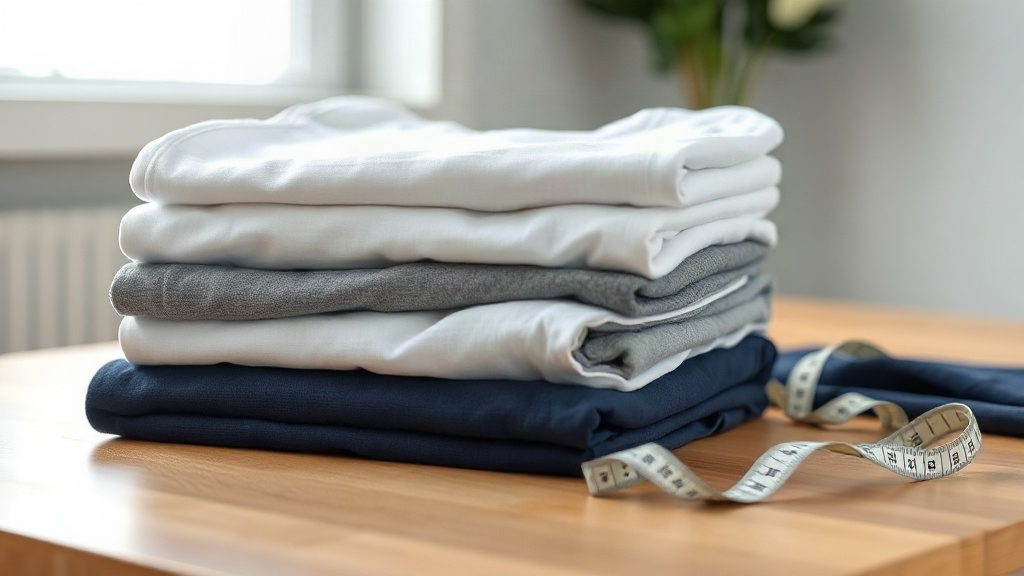
When you hold a truly great t-shirt in your hands, you know it immediately. The fabric has weight without being heavy, the stitching is tight and even, and the cut flatters instead of fighting your body. That experience doesn't happen by accident. It starts with choosing the right Custom Premium Tee blank before a single drop of ink or thread touches the fabric. Whether you're launching a clothing brand, outfitting a team, or creating merch for an event, the blank you choose determines whether your design looks professional or forgettable.
At Buy Smart Blanks, we've spent years sourcing and testing blanks for creators who care about quality. We've seen firsthand how the right base garment can elevate a simple logo into a piece people actually want to wear. This guide will walk you through everything you need to know about premium tees, from fabric selection to decoration methods, so you can make informed decisions and avoid costly mistakes.
What Makes a Tee 'Premium'?
Not all cotton is created equal, and not every t-shirt labeled 'premium' lives up to the name. True premium tees share several characteristics that separate them from standard blanks. Understanding these differences helps you spot quality before you commit to a bulk order.
Fabric Weight and Hand Feel
Fabric weight is measured in ounces per square yard (oz/yd²) or grams per square meter (GSM). Standard tees often fall between 4.0 and 5.0 oz/yd², while premium blanks typically range from 5.5 to 7.0 oz/yd². Heavier fabrics drape better, hold their shape after washing, and provide a more substantial feel that customers associate with quality.Hand feel is subjective but important. A premium tee should feel soft against the skin, not scratchy or stiff. Ring-spun cotton, where fibers are spun to create a smoother yarn, offers a noticeably softer hand feel than standard carded cotton. Combed cotton goes a step further by removing short fibers, resulting in an even smoother, stronger fabric.
Construction Details
Look closely at the seams. Premium tees often feature double-needle stitching at the sleeves and hem, which prevents fraying and adds durability. Side-seamed construction, as opposed to tubular construction, provides a more tailored fit and reduces twisting after washing. Shoulder-to-shoulder taping reinforces the neckline and helps the shirt maintain its shape.
Necklines matter too. A ribbed collar with a higher thread count and spandex content resists stretching better than a basic collar. If you're printing a design that sits near the neck, a well-constructed collar ensures your artwork stays put.
Why Choose Custom Premium Tee Blanks Over Standard Options?
The difference between a standard blank and a premium blank is often just a few dollars per unit, but the impact on your brand is significant. Here's why investing in quality pays off.
- Longevity: Premium tees withstand repeated washing without pilling, fading, or losing shape. Customers wear them longer, which means your logo or design gets more exposure.
- Comfort: Softer fabrics and better fits mean people actually want to wear your apparel, not just stuff it in a drawer.
- Print Quality: Smoother fabric surfaces allow for cleaner screen printing and DTG (direct-to-garment) results. Imperfections in cheap blanks can ruin an otherwise great design.
- Perceived Value: When someone receives a premium tee, they perceive your brand as higher quality. This is especially important for retail brands and promotional giveaways.
We've seen clients switch from budget blanks to premium ones and report fewer customer complaints and higher reorder rates. The upfront cost is higher, but the return on investment is clear.
How to Select the Right Blank for Your Project
Choosing a blank is a balancing act between your budget, your design, and your audience. Start by defining your goals. Are you creating retail apparel that needs to compete on store shelves? Or are you making uniforms for a local sports team? The answer will guide your choices.
Consider Your Audience and Use Case
For retail, you'll want blanks that offer a modern fit, on-trend colors, and consistent sizing. Brands like Bella+Canvas, Next Level, and American Apparel are popular for their fashion-forward cuts. For corporate events, comfort and durability might matter more than trendiness. Gildan Hammer and District Made are solid choices that balance cost and quality.
If you're decorating with embroidery, choose a blank with a tight weave to support stitch density. For screen printing, a smooth, ring-spun cotton surface works best. For DTG, 100% cotton or high-cotton blends yield the most vibrant results.
Test Before You Invest
Always order samples before placing a large order. Wash the sample a few times to see how it holds up. Check for shrinkage, color bleeding, and seam integrity. At Buy Smart Blanks, we encourage customers to request swatches and sample packs so they can feel the difference firsthand.
Decoration Methods for Custom Premium Tees
Once you've selected your blank, the next step is decoration. The method you choose affects the look, feel, and durability of your design. Here's a quick overview of the most common techniques.
Screen Printing
Screen printing is the go-to for bold, long-lasting designs. It involves pushing ink through a mesh screen onto the fabric. It's cost-effective for large orders and works well on dark colors. However, it can feel heavy on lightweight fabrics, so premium blanks with a tighter weave help the ink sit smoothly.
Direct-to-Garment (DTG) Printing
DTG printing is ideal for detailed, full-color designs and small batches. The ink is sprayed directly onto the fabric, allowing for intricate gradients and photographic images. For best results, use 100% cotton blanks with a high thread count. Pre-treatment is often required to ensure the ink bonds properly.
Embroidery
Embroidery adds a premium, textured look that's perfect for logos and monograms. It's durable and professional, making it a favorite for corporate apparel. Choose a blank with a stable fabric, like a cotton-poly blend, to prevent the embroidery from puckering.
Heat Transfer and Vinyl
Heat transfer and vinyl are great for small runs and personalized items. They're quick to apply and can reproduce fine details. However, they may crack or peel over time if not applied correctly. Always follow the manufacturer's instructions and test on a sample first.
Sourcing Custom Premium Tee Blanks: What to Look For
When sourcing blanks, consider these factors to ensure you get the best value:
- Supplier Reputation: Choose a supplier with a track record of consistent quality and reliable shipping. Read reviews and ask for references.
- Inventory Depth: Make sure your supplier stocks the colors and sizes you need consistently. Out-of-stock items can delay your production.
- Pricing Transparency: Look for clear pricing with no hidden fees. Bulk discounts should be straightforward.
- Customer Service: A responsive team can help you troubleshoot issues and find alternatives when needed.
- Sample Program: Suppliers who offer samples or swatch kits make it easier to verify quality before committing.
At Buy Smart Blanks, we've built our business around these principles. We stock a curated selection of premium blanks from trusted brands and provide the support you need to make confident decisions.
Care Tips to Keep Your Custom Premium Tee Looking New
Even the best tee can degrade quickly with improper care. Share these tips with your customers to extend the life of their apparel:
- Wash inside out in cold water to protect the print and fabric.
- Avoid using bleach or fabric softeners, which can break down fibers and fade colors.
- Tumble dry on low or hang dry to minimize shrinkage.
- Iron inside out on a low setting, avoiding the printed area.
- Store folded rather than hung to prevent stretching at the shoulders.
These simple habits can double the lifespan of a premium tee, keeping your brand looking sharp for years.
Frequently Asked Questions About Custom Premium Tees
What is the difference between premium and standard t-shirt blanks?
Premium blanks typically use higher-quality cotton (like ring-spun or combed), have heavier fabric weight, and feature better construction details such as side seams and reinforced collars. Standard blanks are lighter, may use carded cotton, and often have tubular construction. The result is a softer, more durable, and better-fitting garment.
How do I choose the right fabric weight for my custom tees?
Consider the intended use. For retail fashion, 4.5 to 5.5 oz/yd² is common for a lightweight, drapey feel. For promotional or workwear, 6.0 to 7.0 oz/yd² offers more durability. If you're layering, a mid-weight (5.5 oz) works well. Always order samples to see how the weight feels in person.
Can I print on any color of premium tee?
Yes, but the printing method matters. Screen printing works on all colors, though dark colors may require a white underbase. DTG printing is best on light to medium colors; on dark shirts, a white underbase is needed, which can affect the hand feel. Embroidery works on any color. Always test your chosen method on the specific blank color.
How many custom premium tees should I order for my first run?
Start with a small batch to test the market. For retail, 50 to 100 units per design is a reasonable starting point. For events, estimate attendance and add 10-15% for extras. Many suppliers offer price breaks at 50, 100, and 250 units, so factor that into your budget.
Where can I buy custom premium tee blanks in bulk?
Look for reputable blank suppliers like Buy Smart Blanks that specialize in premium apparel. They often carry multiple brands, offer competitive bulk pricing, and provide sample programs. Avoid suppliers with unclear return policies or inconsistent stock.
Choosing the right Custom Premium Tee is an investment in your brand's image. By focusing on fabric quality, construction, and decoration methods, you can create apparel that people love to wear and that keeps your message alive long after the first wash.