
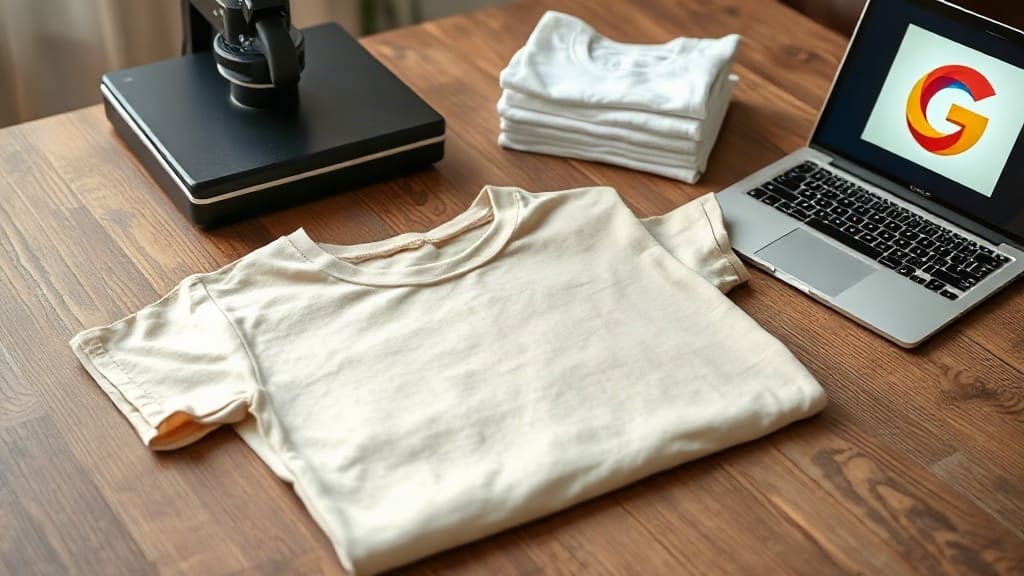
Creating a Custom Premium Tee is more than just a fun DIY project; it's a way to express your brand, commemorate an event, or simply wear something uniquely yours. But with so many options for blanks, printing methods, and designs, it's easy to feel overwhelmed. This guide will walk you through the essential steps to produce a tee that looks professional and stands up to repeated wear.
Why Choose a Custom Premium Tee?
Not all t-shirts are created equal. A premium tee offers superior comfort, durability, and printability. Whether you're starting a clothing line or making team uniforms, investing in quality blanks pays off. Premium tees typically feature ringspun cotton, which is softer and smoother than standard cotton, and they hold prints better. Plus, they resist shrinking and pilling, so your design stays looking new.
Selecting the Right Blank Tee
The foundation of any great custom tee is the blank itself. Here's what to consider:
- Fabric: 100% ringspun cotton is the gold standard for premium tees. It's soft, breathable, and takes ink well. Cotton-poly blends offer durability and moisture-wicking, ideal for activewear.
- Weight: Measured in ounces per square yard (oz/yd²), common weights range from 4.5 oz (lightweight) to 6.1 oz (heavyweight). Heavier fabrics feel more luxurious and drape better.
- Fit: Choose from classic, slim, or relaxed fits. Consider your audience: unisex styles are versatile, while women's cuts offer a more tailored look.
- Color: Light colors work well with DTG printing; dark colors might require a white underbase. Also, consider how the color affects the overall design.
At Buy Smart Blanks, we offer a curated selection of premium blanks from trusted brands like Bella+Canvas and Next Level. Our blanks are pre-shrunk and consistently sized, ensuring your finished product meets expectations.
Choosing the Best Printing Method
Your printing method impacts the look, feel, and longevity of your custom tee. Here are the most popular options:
Screen Printing
Screen printing is ideal for bold, simple designs and large orders. It involves pushing ink through a mesh screen onto the fabric. Each color requires a separate screen, so costs increase with complexity. However, for bulk orders, it's cost-effective and produces vibrant, long-lasting prints.
Direct-to-Garment (DTG) Printing
DTG printing works like an inkjet printer for fabric. It's perfect for detailed, multi-color designs and small batches. The ink is absorbed into the fibers, resulting in a soft feel. However, DTG works best on 100% cotton and may require pre-treatment for dark shirts.
Heat Transfer Vinyl (HTV)
HTV is a great choice for DIY enthusiasts and small businesses. You cut designs from colored vinyl, then heat-press them onto the shirt. It's ideal for simple text, numbers, and logos. HTV offers a slight texture but can crack over time if not applied correctly.
Direct-to-Film (DTF) Printing
DTF is a newer method that transfers printed designs from a film onto the garment. It works on various fabrics, including cotton, poly, and blends, and produces vibrant, stretchable prints. DTF is gaining popularity for its versatility and durability.
Designing for Impact
Before you print, ensure your design is optimized for the chosen method. Here are key design tips:
- Resolution: Use high-resolution images (300 DPI) to avoid pixelation.
- Color Mode: Design in CMYK for printing, not RGB.
- Simplicity: For screen printing, limit colors and avoid gradients. For DTG, you can go wild with details.
- Placement: Consider the print area. Standard front prints are about 12x14 inches. Ensure your design fits within the printable area of your chosen blank.
Don't forget to create a mockup to visualize the final product. Tools like Photoshop or online mockup generators can help.
Preparing Your Tee for Printing
Proper preparation ensures a clean, professional print. Follow these steps:
- Pre-wash: Some blanks may have sizing or chemicals that affect adhesion. Pre-washing (without fabric softener) can help.
- Pre-press: Use a heat press to remove wrinkles and moisture. This step is crucial for DTG and HTV.
- Positioning: Use a ruler or template to center your design. For consistent placement, create a jig or use a heat press with a laser alignment.
Printing and Curing
Each method has specific requirements. For screen printing, ensure the ink is properly cured to avoid washing out. For DTG, follow the manufacturer's settings for time, temperature, and pressure. For HTV, apply the correct heat and pressure, then peel the carrier sheet while hot or cold, depending on the vinyl type. Always test on a scrap piece first.
Caring for Your Custom Premium Tee
To keep your custom tee looking great, follow these care instructions:
- Turn the shirt inside out before washing.
- Wash in cold water on a gentle cycle.
- Avoid fabric softener and bleach.
- Tumble dry low or hang dry.
- Iron inside out, avoiding the print area.
With proper care, your custom tee will remain vibrant for years.
Frequently Asked Questions
What is the best fabric for a custom premium tee?
100% ringspun cotton is considered the best for its softness and printability. However, cotton-poly blends are great for athletic wear due to moisture-wicking properties.
How can I ensure my design doesn't crack after washing?
Proper curing is key. For screen printing, ensure the ink reaches the correct temperature. For HTV, follow the recommended time, temperature, and pressure. Also, wash the shirt inside out in cold water and avoid harsh detergents.
Can I print on dark colors with DTG?
Yes, but dark garments require a white underbase for the colors to show vibrantly. This adds a layer of white ink, which can make the print feel slightly thicker. Some DTG printers handle this automatically.
What's the minimum order quantity for custom tees?
It depends on the printing method. DTG and DTF are suitable for single shirts, while screen printing becomes cost-effective at 12+ pieces. For small orders, consider DTG or HTV.
How do I choose the right size for my custom tee?
Always refer to the blank manufacturer's size chart. Consider the fit: unisex tees tend to run larger, while women's cuts are more fitted. If in doubt, order a sample first.
Creating a Custom Premium Tee is a rewarding process that combines creativity with craftsmanship. By selecting quality blanks, choosing the right printing method, and following proper techniques, you'll produce a tee that not only looks amazing but also withstands the test of time. Ready to get started? Explore our premium blanks at Buy Smart Blanks and bring your design to life.