
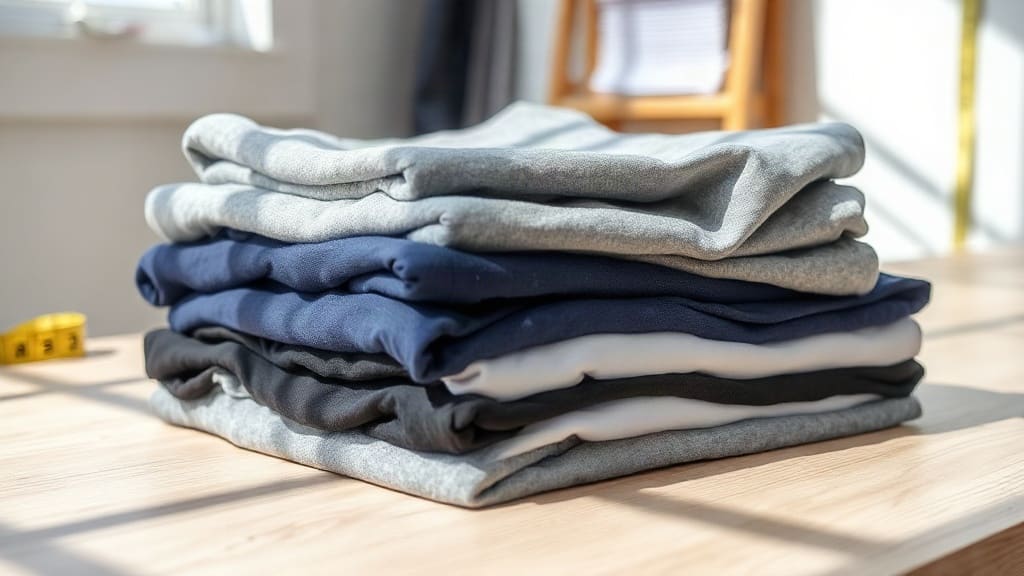
When you're building a clothing brand or creating merchandise for an event, the quality of your blank tees can make or break your reputation. A Custom Premium Tee isn't just a shirt—it's a canvas for your brand's story. But with so many options on the market, how do you separate a truly premium blank from a mediocre one? This guide will walk you through the key factors that define a high-quality custom tee, from fabric weight to stitching details, so you can make informed decisions and deliver products your customers will actually want to wear.
Why Premium Blanks Matter for Your Brand
Imagine a customer buys your custom-designed tee, wears it once, and after a single wash, it shrinks, fades, or develops a hole. That's not just a lost sale—it's damage to your brand's credibility. Premium blanks are the foundation of a product that feels good, looks good, and lasts. They hold prints better, resist pilling, and maintain their shape, ensuring that your logo or artwork stays vibrant wear after wear.
Moreover, when you choose a Custom Premium Tee, you're signaling to your audience that you care about quality. Whether you're a small boutique or a growing online store, investing in better blanks can set you apart from competitors who cut corners. Customers notice the difference in softness, fit, and durability, and they're willing to pay more for a product that exceeds expectations.
Key Factors That Define a Premium Tee
Not all blanks are created equal. Here are the critical elements to evaluate before you commit to a supplier.
Fabric Weight and Composition
Fabric weight is measured in ounces per square yard (oz/yd²) or grams per square meter (GSM). For a premium feel, look for tees in the 4.5 to 6.5 oz range. Lighter fabrics (under 4 oz) can feel flimsy and may be semi-transparent, while heavier fabrics (over 7 oz) offer durability but might be too warm for everyday wear. The sweet spot for a Custom Premium Tee is often around 5.5 oz, providing a substantial yet comfortable drape.
Composition matters too. 100% cotton is classic, breathable, and prints well, but it can shrink. Blends like cotton/polyester (50/50 or 60/40) resist shrinkage and wrinkles, making them ideal for activewear or frequent washing. Tri-blends (cotton/polyester/rayon) offer an ultra-soft, vintage feel but may be pricier. Consider your target audience and intended use: a retail brand might prefer combed ring-spun cotton for its smoothness, while a fitness brand might opt for a performance blend.
Fit and Construction
A premium tee should fit well on a variety of body types. Look for side-seamed construction instead of tubular. Side seams allow the shirt to taper naturally, preventing that boxy, unflattering look. Also, check the shoulder-to-shoulder taping, which reinforces the neckline and prevents stretching. Double-needle stitching on hems and sleeves adds durability, and a ribbed collar that retains its shape after washing is a hallmark of quality.
Fit preferences vary: some prefer a classic fit, others a modern slim fit or oversized streetwear style. As a brand, you might offer multiple fits to cater to different customers. But always request samples to evaluate how the fit translates across sizes.
Printability and Finish
The best blank for printing depends on your decoration method. For screen printing, a smooth, tight-knit surface is essential to achieve crisp lines and vibrant colors. Ring-spun cotton excels here. For heat transfer vinyl (HTV) or direct-to-garment (DTG) printing, a higher polyester content can improve adhesion and color vibrancy, but may require special inks. Always test print on a sample before bulk ordering.
Also, consider the finish: some blanks are pre-shrunk, some are garment-dyed for a soft, worn-in look, and some are mercerized for a subtle sheen and extra strength. Each finish affects the final product's aesthetic and price point.
How to Evaluate a Supplier for Custom Premium Tees
Once you know what to look for in a blank, the next step is finding a reliable supplier. Here are practical tips to vet potential partners.
Request Samples and Swatch Kits
Never order in bulk without touching and testing the fabric. Reputable suppliers offer sample packs or individual blanks at a low cost. Order a few in different styles and colors, wash them according to care instructions, and observe how they hold up. Check for shrinkage, color bleeding, and seam integrity. This hands-on evaluation is irreplaceable.
Check Certifications and Ethical Practices
Modern consumers care about sustainability and ethics. Look for suppliers that carry certifications like OEKO-TEX Standard 100 (ensuring no harmful substances), WRAP (worldwide responsible accredited production), or Fair Labor Association membership. These certifications indicate that the blanks are made in safe, ethical conditions, which can be a selling point for your brand.
Evaluate Customer Service and Lead Times
Even the best product can be undermined by poor communication. Test the supplier's responsiveness before placing a large order. Ask about lead times, minimum order quantities (MOQs), and restocking policies. A supplier that is transparent and helpful during the inquiry stage is more likely to support you when issues arise later.
Cost vs. Value: Why Cheap Blanks Can Be Expensive
It's tempting to choose the lowest-priced blanks to maximize margins. But cheap tees often come with hidden costs: higher defect rates, dissatisfied customers, and increased returns. A Custom Premium Tee may cost a dollar or two more per unit, but it can reduce complaints, boost repeat purchases, and enhance your brand's perceived value. Think of it as an investment in customer loyalty.
To illustrate, consider a scenario: a small brand sells 500 tees at $25 each. If they use a $3 blank, their gross profit is $11,000 (assuming $25 - $3 - $11 for printing and overhead). If they upgrade to a $5 premium blank, their profit drops to $9,000. However, if the premium tee generates just 10% more repeat customers due to better quality, the long-term value far outweighs the initial cost difference. Plus, positive word-of-mouth from a durable, comfortable shirt is priceless.
Printing Methods That Complement Premium Blanks
Your choice of decoration should align with the blank's characteristics. Here's a quick overview:
- Screen Printing: Best for bold designs on 100% cotton or high-cotton blends. It offers vibrant colors and durability but requires a setup fee per color.
- DTG (Direct-to-Garment): Ideal for detailed, full-color designs on 100% cotton. No setup fees, but the print may fade faster than screen printing.
- Heat Transfer Vinyl (HTV): Great for small batches and personalization. Works well on cotton and blends, but can crack if not applied correctly.
- Embroidery: Adds a premium, textured look. Best on heavier fabrics that can support the stitching without puckering.
Always consult your printer about the best blank for your chosen method. Some blanks are specially treated for optimal print adhesion.
Care Tips to Maintain the Premium Feel
To ensure your custom tees stay looking new, educate your customers on proper care. Recommend washing inside out in cold water, tumble drying on low, and avoiding ironing directly on the print. Providing a care card with each purchase shows attention to detail and extends the life of the garment.
Frequently Asked Questions
What is the best fabric weight for a custom premium tee?
For most brands, a mid-weight fabric between 5 and 6 oz per square yard offers the best balance of comfort, durability, and printability. Lighter weights feel cooler but may be less durable, while heavier weights are sturdier but can be less breathable.
How do I prevent shrinkage in custom tees?
Choose blanks that are pre-shrunk or made from a cotton/polyester blend. Also, advise customers to wash in cold water and tumble dry on low. If you're printing on 100% cotton, expect minimal shrinkage (around 3-5%) even with pre-shrunk fabrics.
Can I print on any color of premium tee?
Yes, but consider the ink colors and printing method. Light-colored inks on dark shirts require a white underbase for screen printing, which adds cost. DTG printing on dark colors may need a pretreatment. Always test print on your desired shirt color.
What's the difference between ring-spun and open-end cotton?
Ring-spun cotton is made by continuously twisting and thinning the cotton strands, resulting in a softer, smoother fabric. Open-end cotton is made by a different process that produces a more durable but less soft fabric. Premium tees typically use ring-spun cotton for a superior feel.
How can I ensure my custom premium tees are ethically made?
Look for certifications such as OEKO-TEX, WRAP, or Fair Labor Association. These indicate that the supplier meets strict standards for environmental and social responsibility. You can also ask for transparency reports or visit the factory if possible.