
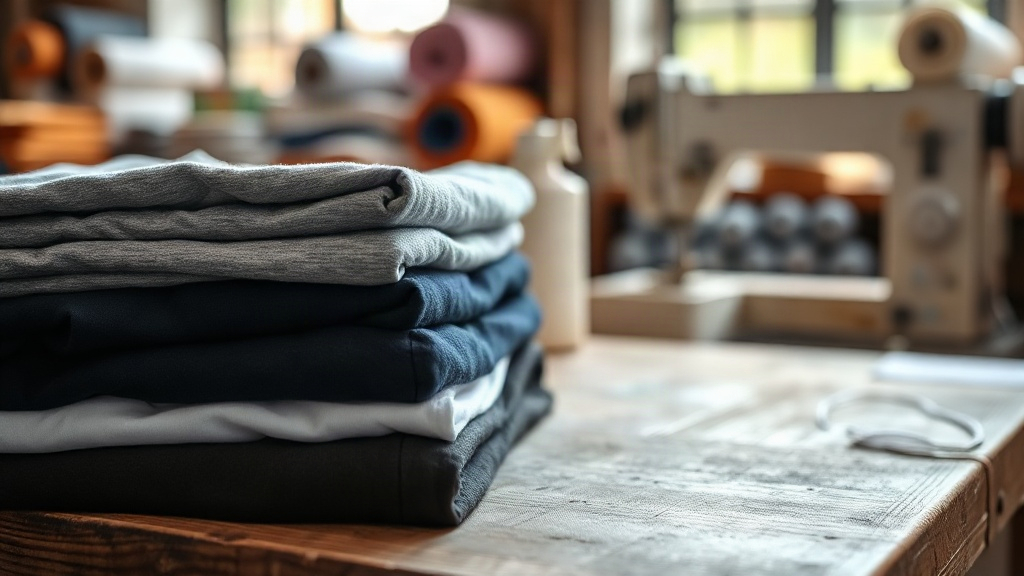
When it comes to making a lasting impression, few things speak louder than a well-crafted t-shirt. Custom premium t-shirts are not just garments; they are a statement of quality, a canvas for your brand, and a comfortable essential that people actually want to wear. Whether you're a business looking to outfit your team, a band promoting a tour, or an individual with a unique design idea, understanding what sets premium apart from ordinary is the first step toward creating something exceptional.
What Makes a T-Shirt 'Premium'?
Not all t-shirts are created equal. The term 'premium' gets thrown around loosely, but in the world of custom apparel, it signifies a combination of factors that elevate a t-shirt from basic to extraordinary. Premium t-shirts typically feature higher-quality fabrics, superior construction, and a fit that flatters a wide range of body types. They are designed to withstand repeated wear and washing without losing their shape, color, or softness.
Fabric Matters: The Foundation of Quality
The fabric is the heart of any t-shirt. Premium options often use 100% ring-spun cotton, which is softer and more durable than standard cotton. Ring-spun cotton undergoes a spinning process that creates a smoother, tighter yarn, resulting in a fabric that feels luxurious against the skin. Other premium choices include blends like cotton-polyester for enhanced durability and moisture-wicking properties, or tri-blends (cotton, polyester, and rayon) for a vintage, ultra-soft feel.
Weight also plays a role. Premium t-shirts typically range from 4.5 to 6.5 ounces per square yard. Lighter weights are breathable and great for warm climates, while heavier weights offer a more substantial, structured look that holds prints beautifully. The best choice depends on your intended use and personal preference.
Craftsmanship: The Details That Count
Beyond fabric, premium t-shirts boast superior construction. Look for features like double-needle stitching on hems and sleeves, which prevents unraveling and adds durability. Side-seamed construction, as opposed to tubular, provides a more tailored fit and reduces twisting after washing. Shoulder-to-shoulder taping reinforces the neckline and maintains shape. These details may seem small, but they make a significant difference in how the t-shirt wears over time.
Why Choose Custom Premium T-Shirts?
Investing in custom premium t-shirts offers a multitude of benefits, whether for personal use or for your organization. Here are some compelling reasons to go premium:
- Enhanced Brand Image: A high-quality t-shirt reflects positively on your brand. When customers or employees wear your logo on a premium garment, it communicates that you value quality and attention to detail.
- Comfort and Wearability: Premium fabrics feel better against the skin, encouraging repeated wear. This means your message gets more exposure over time.
- Durability: Premium t-shirts hold up better to washing and wear, maintaining their appearance longer. Your investment goes further.
- Better Print Results: High-quality blanks provide a smoother canvas for printing, resulting in sharper, more vibrant designs that resist fading and cracking.
- Perceived Value: People are more likely to keep and wear a premium t-shirt, associating positive feelings with your brand.
Choosing the Right Fabric for Your Custom T-Shirts
Selecting the right fabric is crucial for achieving your desired look and feel. Here's a breakdown of common premium fabric options:
100% Ring-Spun Cotton
This is the gold standard for premium t-shirts. It's incredibly soft, breathable, and takes prints well. It's ideal for everyday wear and for designs that require a classic, smooth look. However, it may shrink slightly after the first wash, so pre-shrunk options are preferable.
Cotton-Polyester Blends
Blends combine the comfort of cotton with the durability and moisture-wicking properties of polyester. They are less prone to shrinking and wrinkling, making them great for activewear or uniforms. The print quality remains excellent, though the hand feel may be slightly less soft than pure cotton.
Tri-Blends
Tri-blends, typically a mix of cotton, polyester, and rayon, offer a unique vintage, heathered appearance and an ultra-soft, drapey feel. They are popular for fashion-forward designs and retail brands. Keep in mind that tri-blends can be more delicate and may require special care.
Organic Cotton
For eco-conscious brands, organic cotton is a premium choice. It's grown without harmful pesticides and is softer than conventional cotton. While it may cost more, it appeals to environmentally aware customers and aligns with sustainable values.
Printing Methods for Premium Custom T-Shirts
The printing method you choose affects the final look, feel, and durability of your design. Here are the most common techniques for premium apparel:
Screen Printing
Screen printing is the traditional method for bulk orders. It involves pushing ink through a mesh screen onto the fabric. It's cost-effective for large quantities and produces vibrant, long-lasting colors. However, it's less practical for complex designs with many colors or small runs. For premium t-shirts, water-based or discharge inks can be used to achieve a soft, almost unnoticeable print that becomes part of the fabric.
Direct-to-Garment (DTG) Printing
DTG printing works like a specialized inkjet printer for textiles. It's ideal for detailed, multi-color designs and small batches. The ink is absorbed into the fabric, resulting in a soft feel. However, DTG prints may fade over time with frequent washing, and the color vibrancy can vary depending on the fabric. It works best on 100% cotton.
Heat Transfer Vinyl (HTV)
HTV involves cutting a design from colored vinyl and applying it with heat and pressure. It's great for simple, one-color designs, names, and numbers. It offers a crisp, durable finish but can feel stiff on large areas. For premium t-shirts, consider specialty HTV like stretchable or metallic options for added flair.
Embroidery
While not technically printing, embroidery adds a premium, textured look. It's perfect for logos on polos, hats, and left-chest placements. Embroidery is durable and gives a high-end feel, but it can be more expensive and isn't suitable for intricate details.
Design Tips for Custom Premium T-Shirts
Creating a design that looks great on a premium t-shirt requires some thought. Here are key tips to ensure your custom apparel stands out:
- Keep it Simple: Clean, bold designs often work best. Avoid overly complex artwork that may not translate well to fabric.
- Consider Placement: Think about where the design will sit. Center chest, left chest, full back, and sleeves are common. Ensure the size is appropriate for the placement.
- Use High-Resolution Files: Vector files (AI, EPS, PDF) are ideal for printing. For DTG, high-resolution PNGs (300 DPI) with transparent backgrounds work well.
- Test Colors: Colors may appear differently on screen versus on fabric. Request a sample or use a color proofing service.
- Think About the Fabric Color: Light designs on dark fabrics may require a white underbase, which can affect the feel. Dark designs on light fabrics are generally simpler.
How to Choose a Supplier for Custom Premium T-Shirts
Selecting the right supplier is critical to getting the quality you expect. Here are factors to consider:
- Fabric Quality: Request samples to feel the fabric and check construction. Reputable suppliers will gladly provide samples.
- Printing Expertise: Look for a supplier with experience in premium printing techniques. Ask about their equipment and inks.
- Minimum Order Quantities (MOQs): Some suppliers cater to large orders only. If you need small runs, find a supplier with low or no MOQs.
- Turnaround Time: Ensure they can meet your deadline, especially for events.
- Customer Service: Responsive support can make the process smoother, especially if you have questions or need adjustments.
- Reviews and Portfolio: Check previous work and testimonials to gauge quality and reliability.
Care Tips for Your Custom Premium T-Shirts
To keep your premium t-shirts looking their best, follow these care instructions:
- Turn the t-shirt inside out before washing to protect the print.
- Wash in cold water on a gentle cycle.
- Avoid using bleach or fabric softeners, which can degrade the fabric and print.
- Tumble dry on low heat or hang dry to prevent shrinking and cracking.
- Iron inside out, avoiding the printed area, or use a pressing cloth.
Frequently Asked Questions
What is the difference between premium and regular t-shirts?
Premium t-shirts are made from higher-quality fabrics like ring-spun cotton or tri-blends, feature superior construction such as side seams and double-needle stitching, and often have a better fit. Regular t-shirts may use coarser cotton, have tubular construction, and are generally less durable and comfortable.
How much do custom premium t-shirts cost?
The cost varies based on fabric, printing method, and quantity. Expect to pay more than basic tees, but the investment pays off in durability and brand perception. For accurate pricing, request quotes from suppliers based on your specific needs.
Can I print on dark premium t-shirts?
Yes, but the printing method matters. For screen printing, a white underbase is often needed to make colors pop. DTG printing on dark shirts requires a pretreatment and white ink base. Always discuss with your printer to ensure the best result.
What is the best fabric for custom t-shirts that will be worn often?
A cotton-polyester blend is excellent for frequent wear because it resists shrinking and wrinkling and wicks moisture. However, if you prioritize softness, 100% ring-spun cotton is ideal. Consider the intended use and personal preference.
How long does it take to get custom premium t-shirts made?
Turnaround time depends on the supplier and order size. Typically, it ranges from 1 to 3 weeks after design approval. Rush options may be available for an extra fee. Always confirm timelines before ordering.