
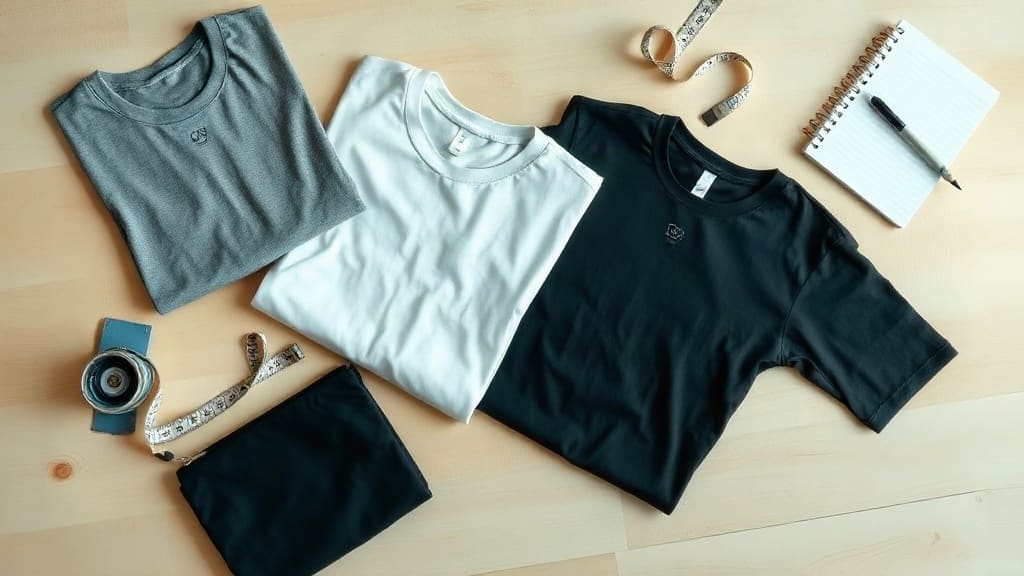
When you decide to create custom premium t-shirts, you are investing in more than just apparel. You are crafting a statement, building a brand, and delivering an experience. Whether you are a business owner looking to outfit your team, a designer launching a new line, or an individual wanting a unique piece, the journey from concept to closet is filled with decisions that impact the final product. One crucial aspect that often gets overlooked is CPS, or cost per shirt. Understanding CPS helps you balance quality and budget, ensuring you get the best value for your investment. In this guide, we will walk you through everything you need to know to create custom premium t-shirts that stand out for all the right reasons.
Why Custom Premium T-Shirts Matter
Custom premium t-shirts are not just about looking good; they are about feeling good and making a lasting impression. Unlike standard tees, premium shirts offer superior comfort, durability, and style. They signal that you care about quality, whether you are handing them out as corporate gifts, selling them in your online store, or wearing them yourself. When you choose premium, you are choosing fabrics that breathe, prints that last, and fits that flatter. This attention to detail can set you apart in a crowded market.
Key Factors in Creating Premium Custom T-Shirts
To achieve a truly premium result, you need to consider several factors. From the fabric to the printing method, each choice affects the final look and feel. Let's dive into the essentials.
Fabric Selection: The Foundation of Quality
The fabric is the heart of any t-shirt. For premium custom t-shirts, you want materials that feel luxurious and hold up over time. Here are some top options:
- Combed Ring-Spun Cotton: Soft, smooth, and durable, this cotton is a staple for high-quality tees. It resists pilling and feels great against the skin.
- Organic Cotton: Eco-friendly and gentle, organic cotton is grown without harmful chemicals. It's a favorite for brands that value sustainability.
- Tri-Blend: A mix of cotton, polyester, and rayon, tri-blend offers a vintage, heathered look with an incredibly soft hand. It drapes well and is less prone to shrinkage.
- Performance Fabrics: For activewear or corporate wear, moisture-wicking polyester blends can be a smart choice. They keep you cool and dry while maintaining a professional appearance.
When selecting fabric, consider the intended use. A heavy cotton tee works well for streetwear, while a lightweight tri-blend is perfect for casual wear. Also, think about the weight: premium shirts often range from 4.5 oz to 6.5 oz per square yard. Heavier fabrics feel more substantial, but lighter ones can be more comfortable in warm climates.
Printing Methods: Bringing Your Design to Life
The printing method you choose significantly impacts the look, feel, and longevity of your custom premium t-shirts. Here are the most common techniques and when to use them:
- Screen Printing: Ideal for bold designs with few colors. It's cost-effective for large orders and produces vibrant, long-lasting prints. However, it can be expensive for small batches due to setup costs.
- Direct-to-Garment (DTG): Perfect for complex, full-color designs and small runs. DTG prints directly onto the fabric, allowing for intricate details. The print may feel slightly textured but softens after washing.
- Heat Transfer Vinyl (HTV): Great for simple designs, names, and numbers. It's durable and works well on cotton and blends. However, large solid areas can feel heavy.
- Embroidery: Adds a premium, textured look, especially for logos. It's durable and professional, but not suitable for fine details.
- Dye Sublimation: Best for polyester fabrics. The ink becomes part of the fabric, so prints never crack or peel. It's perfect for all-over designs.
Each method has its pros and cons. For a premium feel, screen printing and embroidery are often top choices, but DTG has improved significantly and can produce impressive results on the right fabric.
Design Considerations for Premium Appeal
A premium t-shirt isn't just about materials; the design must also reflect quality. Keep these tips in mind:
- Simplicity: Less is often more. A clean, minimalist design can look more upscale than a busy one.
- Color Palette: Choose colors that complement the fabric. Muted tones or monochromatic schemes often convey sophistication.
- Placement: Consider where the design sits. Left chest prints are classic for corporate wear, while full-front prints make a bold statement.
- Scalability: Ensure your design looks good on various sizes, from small to plus sizes.
Understanding CPS (Cost Per Shirt) and Budgeting
When planning your order, CPS is a critical metric. It helps you compare quotes and ensure you're getting a fair price. CPS includes the cost of the blank shirt, printing, and any additional services like folding or tagging. To optimize CPS, consider the following:
- Order Quantity: Larger orders typically reduce CPS due to economies of scale, especially with screen printing.
- Print Complexity: More colors or locations increase CPS. Simplify where possible without sacrificing impact.
- Fabric Choice: Premium fabrics cost more, but they also justify a higher retail price if you're selling.
- Supplier Negotiation: Don't be afraid to ask for quotes from multiple suppliers. Sometimes, you can negotiate a better CPS for repeat orders.
Remember, the lowest CPS isn't always the best if quality suffers. Aim for a balance that meets your standards and budget.
Choosing the Right Supplier for Custom Premium T-Shirts
Your supplier plays a huge role in the final outcome. Look for a supplier that specializes in premium blanks and offers a range of printing services. Check reviews, request samples, and ask about their quality control processes. A good supplier will be transparent about their CPS breakdown and turnaround times. At Buy Smart Blanks, we pride ourselves on offering top-tier custom premium t-shirts with competitive CPS and exceptional customer service. We can guide you through fabric selection, printing methods, and design tweaks to ensure your vision becomes reality.
Care and Maintenance for Longevity
To keep your custom premium t-shirts looking new, proper care is essential. Always follow the care label, but here are some general tips:
- Wash inside out in cold water to protect the print.
- Avoid using bleach or fabric softeners, which can degrade the fabric and print.
- Tumble dry on low or hang dry to prevent shrinkage and cracking.
- Iron inside out, avoiding the printed area.
With proper care, your premium t-shirts can last for years, maintaining their comfort and appearance.
Real-World Examples: Success Stories
Many businesses have leveraged custom premium t-shirts to boost brand awareness. For instance, a tech startup ordered tri-blend tees with a minimalist logo for a product launch. The soft fabric and subtle design became a hit among attendees, who wore them long after the event. Another example is a fitness studio that chose performance fabrics with dye sublimation for their staff uniforms. The prints never faded, even after intense workouts, and the staff appreciated the breathability. These cases show that thoughtful choices in fabric and printing lead to satisfied customers and effective branding.
Frequently Asked Questions
What does CPS mean in custom t-shirt printing?
CPS stands for cost per shirt. It is the total cost of producing one t-shirt, including the blank garment, printing, and any additional services. Calculating CPS helps you budget and compare supplier quotes accurately.
How can I reduce the CPS for my order without sacrificing quality?
You can reduce CPS by ordering in larger quantities, simplifying your design (fewer colors or print locations), and choosing standard fabrics instead of specialty ones. However, always prioritize quality to ensure your brand is well-represented.
Which fabric is best for custom premium t-shirts?
The best fabric depends on your needs. Combed ring-spun cotton is a classic choice for softness and durability. Tri-blend offers a vintage look and exceptional comfort. Organic cotton is ideal for eco-conscious brands. Performance fabrics are great for activewear.
What printing method gives the most premium look?
Screen printing and embroidery are often considered the most premium due to their durability and professional finish. However, DTG has advanced and can produce high-quality results on 100% cotton. For polyester, dye sublimation offers a seamless, no-feel print.
How do I care for my custom premium t-shirts to make them last?
Wash inside out in cold water, avoid bleach and fabric softeners, and tumble dry on low or hang dry. Iron inside out, avoiding the printed area. Following these steps will help maintain the fabric and print quality for a long time.